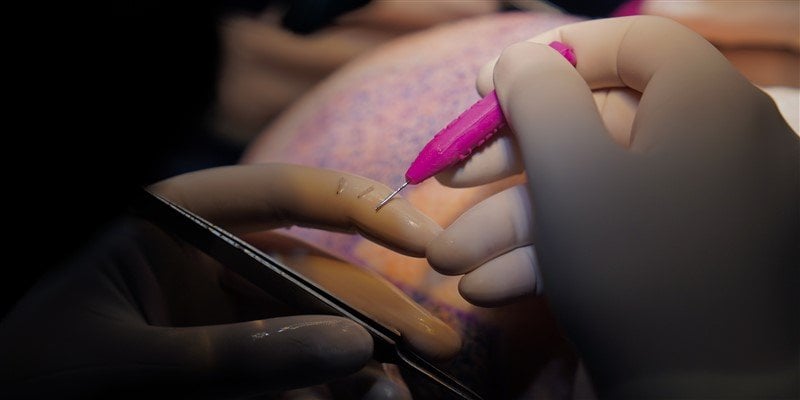
Beulen nach der Haartransplantation
Eine der möglichen negativen Auswirkungen einer Haartransplantation ist das Auftreten von Pickeln zusammen mit Juckreiz nach der Haartransplantation und Rötungen nach der Haartransplantation. Nach der Haartransplantation können Pickel oder Beulen im Spenderbereich der Kopfhaut nach 2-4 Wochen auftreten. Beulen, die nach der Haartransplantation im Empfängerbereich auftreten, sind ziemlich häufig und sollten nicht als Grund zur Sorge betrachtet werden, da sie Teil der Erholung des Spenderbereichs nach der Haartransplantation sind. Kopfpickel nach einer Haartransplantation können durch verschiedene Faktoren verursacht werden. Wenn ein Pickel auftritt, sollte die Region nicht allein gelassen werden und sollte korrekt behandelt werden, um optimale Behandlungsergebnisse zu erzielen.
Warum treten Pickel nach Haartransplantationen auf?
Es gibt mehrere mögliche Ursachen für Pickel nach einer Haartransplantation. Einige dieser Ursachen können mit der Operation zusammenhängen, während andere möglicherweise darauf zurückzuführen sind, dass zum Beispiel der Patient nach dem Eingriff nicht genügend auf Vorsicht achtet. Sobald das verpflanzte Haar zu wachsen beginnt, entstehen Pickel oder Beulen. Dies geschieht, wenn die Follikel während des Transplantationsverfahrens nicht ordnungsgemäß entfernt werden und der Haarfollikel innerhalb der Haut verbleibt. Ein Überschuss an Talg im Körper zählt zu den prominentesten Gründen für die Bildung von Pickeln. Pickel können auftreten, wenn in der Region nach einer Haartransplantation zu viel Talg produziert wird.
Arten von Pickeln nach Haartransplantationen
Kopfpickel sind nach einer Haartransplantation häufig und es gibt verschiedene Formen von ihnen. Die folgenden sind die häufigsten Formen von Pickeln:
- Follikulitis - Entzündung des Follikels: Pickel mit bakterieller Ansammlung bilden sich, weil der Bereich nach dem Eingriff nicht sauber gehalten wird. Follikulitis nach einer Haartransplantation ist insgesamt gefährlich und sollte sofort von einem Fachmann untersucht werden.
- Dermoidzysten: Obwohl selten, handelt es sich um Formen, die das Ergebnis von Haartransplantationsverfahren gefährden könnten. Es ist wichtig, Ihren Arzt für eine Behandlung dieser Art von Pickelwachstum zu konsultieren.
- Eingewachsene Haare: Während einer Haartransplantation können verpflanzte Haarfollikel Schwierigkeiten haben, aus der Epidermis hervorzutreten. In diesem Szenario wächst das Haar, das es nicht schafft, die Hautoberfläche zu erreichen, in die andere Richtung. Eingewachsene Haare fördern Reizungen und Pickel.
Behandlung von Pickeln nach Haartransplantationen
Obwohl Pickel im Bereich der Haartransplantation keine Ursachen zur Sorge sein sollten, bedeutet dies nicht, dass die Pickel keine medizinische Aufmerksamkeit erfordern. Es gibt verschiedene alternative Behandlungen für Pickel, die im Bereich der Haarwiederherstellung auftreten.
- Verwenden einer heißen Wasserkompresse Ihr Arzt kann Ihnen raten, eine heiße Wasserkompresse zu verwenden, um Pickel nach einer Haartransplantation zu reduzieren. Sie sollten darauf achten, während der Behandlung nicht zu viel Druck auszuüben und den Bereich nicht zu stark zu erhitzen und zu reizen.
- Antibiotika-Therapie Obwohl dies nicht immer wünschenswert ist, können bei schweren Beulen in der Region oral eingenommene Antibiotika erforderlich sein. Dies wird auch zur Behandlung von hartnäckigen Pickeln empfohlen. Ihr Arzt muss die zu verabreichenden Antibiotika verschreiben.
Is it normal to have bumps and scalp pimples after a hair transplant?
Yes, it is quite normal to experience bumps and scalp pimples after a hair transplant. These small, often itchy or tender bumps are typically a result of the healing process and the skin adjusting to the newly transplanted hair follicles. The scalp goes through various phases of healing, which can include inflammation and minor infections around the transplanted follicles, leading to the formation of pimples.
For how long do scalp pimples appear after a hair transplant?
Scalp pimples can appear for several weeks to a few months after the hair transplant procedure. In the immediate weeks following the transplant, the scalp is healing from the incisions made during the procedure, and pimples can form as a response to this healing process. Generally, these pimples become less frequent and severe as the scalp continues to heal. In some cases, patients might experience occasional pimples for up to a year after the procedure, but this is less common.
Is there anything to do to prevent scalp pimples before they appear?
To prevent scalp pimples before they appear following a hair transplant, it's crucial to adhere strictly to your surgeon’s post-operative care guidelines. This regimen typically includes gentle cleansing of the scalp using a mild, non-irritating shampoo as recommended by your doctor. Avoiding harsh hair products that may irritate the scalp or clog hair follicles is also essential. Additionally, refraining from unnecessary touching or scratching of the scalp helps prevent introducing bacteria and causing irritation. If prescribed, applying topical antibiotics or anti-inflammatory medications as directed by your doctor can further mitigate the risk of developing scalp pimples. These proactive measures are instrumental in promoting a healthy recovery and optimizing the outcome of your hair transplant procedure.
Can bumps and pimples affect the success of my hair transplant?
In most cases, bumps and pimples do not affect the overall success of the hair transplant. However, if they are severe or persistent, they can interfere with the healing process and potentially impact the final hair transplant results. It's important to address any concerns with your doctor to ensure they do not interfere with the transplanted follicles. Your doctor might recommend specific treatments or adjustments to your post-operative care routine to address these issues effectively.
Should I be concerned about infection if I develop bumps and pimples?
While bumps and pimples are usually harmless and part of the normal healing process, they can occasionally lead to infection if not properly cared for. Maintaining good scalp hygiene and following post-operative instructions can significantly reduce this risk. If you notice signs of infection, such as excessive redness, swelling, pus, or an increase in pain, you should contact your doctor immediately. Early intervention can prevent more serious complications and ensure a smooth recovery.
When should I contact my doctor about bumps and pimples on my scalp?
You should promptly contact your doctor if you experience any of the following concerning symptoms related to bumps and pimples on your scalp after a hair transplant:
- Severe or persistent pain associated with the bumps and pimples.
- Pimples that do not improve or worsen over time.
- Signs of infection such as excessive redness, swelling, warmth, or discharge from the affected area.
- Any systemic symptoms like fever, which could indicate a more serious infection. Early communication with your doctor is essential to address these issues promptly and prevent potential complications.
Für weitere Fragen, auf die Sie nach einer Haartransplantation Antworten suchen, können Sie sich an die Fachleute von Asmed wenden. Hier sorgen wir dafür, dass Sie während oder nach dem Eingriff minimale Beschwerden erleben. Kontaktieren Sie uns heute für weitere Informationen.
Holen Sie sich eine kostenlose Beratung!
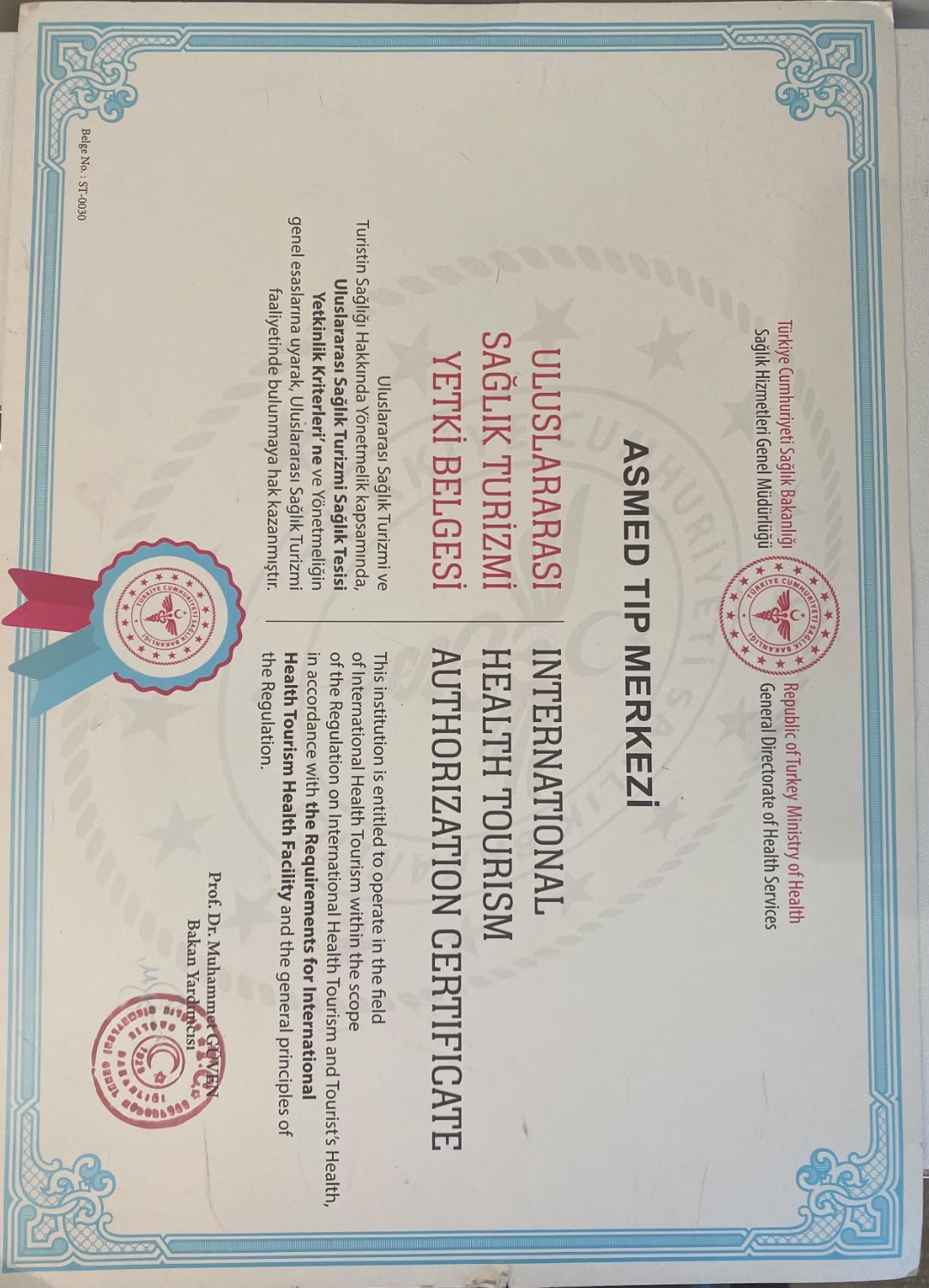
Für den internationalen Gesundheitstourismus zugelassene Gesundheitseinrichtung
Das ASMED Medical Center ist eine vom Gesundheitsministerium der Republik Türkiye zugelassene Gesundheitseinrichtung für Dienstleistungen im Bereich des internationalen Gesundheitstourismus.
Eigentümer und Betreiber: ASMED ÖZEL SAÇ EKİMİ SAĞLIK HİZMETLERİ A.Ş.
Zulassungsurkunde Nr.: ST-0030

Atatürk Mah. Sedef Caddesi No: 1/1 Ataşehir - İstanbul
Cookie Declaration - Update Date: 09.09.2026 - Editor: Ozer Erik - Tel: +90 216 464 11 11