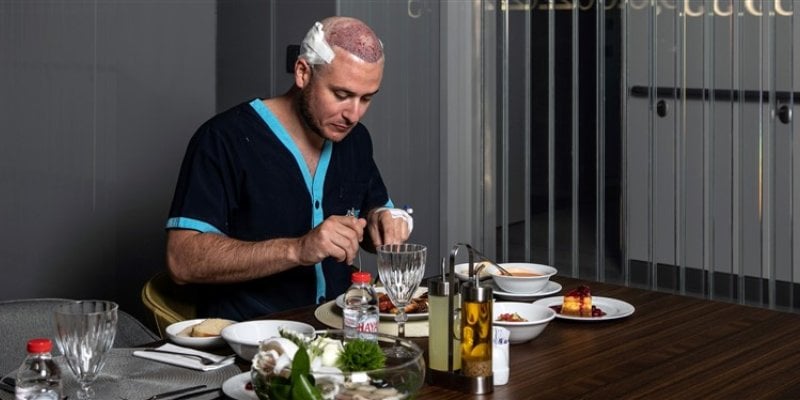
Hair Transplant Recovery Timeline: Week by Week
Understanding the hair transplant recovery timeline is essential for anyone considering or preparing for a hair restoration procedure. The FUE hair transplant recovery timeline is generally straightforward, but knowing what to expect at each stage, from the first 48 hours through to 12 months, helps patients stay calm, follow aftercare correctly, and protect their results. This guide walks you through the full hair transplant healing timeline , week by week and month by month, so you can approach your recovery with confidence.
What to Expect in the First 48 Hours After a Hair Transplant?
The initial 48 hours post surgery are the most crucial stages of the whole recovery process. At this stage, the transplanted grafts are most susceptible to anything that can affect them, since the blood supply has not yet been established on these areas. It is totally natural to see some swelling, redness, and sensitivity in both the donor and recipient areas. The swelling could shift to the forehead or even around the eyes during the second day, which is a normal reaction to the surgery.
Sleeping in a semi-upright posture for the first two nights following your surgery is recommended in order to prevent swelling and also to protect the grafts. It is advisable not to touch, scratch, or pressurize the area of reception in any way. In most cases, patients receive some antibiotics and anti-inflammatory drugs to take as per the directions. The consumption of alcohol and smoking, or anything that leads to increased blood pressure should be avoided at all costs.
Hair Transplant Recovery Time
The recovery processes for hair transplants differ depending on the method of surgery. One of the reasons we recommend and only perform FUE hair transplants is that the older method of transplant can cause more complications and requires a much longer recovery time. This is due to the fact that for FUT hair transplant, a strip of skin must be extracted from a donor area, which is a more invasive procedure. Furthermore, donor hair is most commonly found on the back and sides of the head, which can make sleeping after hair transplant during the recovery process difficult because patients find it uncomfortable to lay on these sensitive areas.
In comparison to FUE, the incisions required for hair extraction will be much larger in FUT. This means that the FUT hair transplant surgery recovery will take at least five weeks to complete. However, it may take much longer for the scar to heal completely. During this process, some patients may experience puckered or keloid scarring, which can be dangerous. In comparison, the FUE hair transplant recovery process is simple and painless. We do not offer FUT hair transplants at Asmed, but we always recommend the best hair restoration procedure for your hair loss and specific situation.
FUE recovery timeline depends on the individual patient and their circumstances. Hair transplant surgery recovery time should be around two weeks. The same time frame applies to returning to work and your normal day-to-day routine after surgery. During the hair transplant recovery period, it is advised that you avoid strenuous activity, sweating, raising your blood pressure, alcohol, and tobacco as much as possible. Patients must wait the full 12 or 18 months for regrowth before they can properly evaluate their full results.
Hair Transplant Recovery Timeline: Week by Week
Week 1: The scalp is tender and delicate. Small scabs form around each graft site, and redness is visible across both the donor and recipient areas. Swelling peaks around days two to three and then begins to subside. You should use only the gentle washing technique prescribed by your clinic and avoid any friction on the scalp.
Week 2: Scabs begin to loosen and fall away naturally. Do not pick or force them off. By the end of this week, most patients feel comfortable enough to return to a desk-based job. The donor area, where individual follicles were extracted using the FUE technique, typically heals first, as each extraction site is very small.
Weeks 3 to 4: Many patients notice that the transplanted hairs begin to shed. This is a natural and expected part of the process. The hair shaft falls out while the follicle itself remains alive beneath the skin, resting and preparing to produce a new hair. At one month after surgery, upon the induction of a state of repose in the transplanted hair follicles, it is customary for a portion of the initial hair to undergo shedding, as this phenomenon is a usual expression within the intricate cycle of hair growth. Whilst the commencement of fresh hair regrowth is anticipated, patients may discern diminutive sprigs of hair in the recipient region.
Months 2 to 3: The scalp looks largely settled at this stage, though the shedding phase may still be ongoing. Some patients find this period emotionally challenging because hair density appears lower than it did immediately after surgery. This is normal. The follicles are in a resting phase and will begin producing new hair growth shortly.
1 Year After Hair Transplant
The patients possess the capacity to thoroughly comprehend and delight in the paramount consequences of their metamorphic piliferous rejuvenation odyssey at one year. Upon the completion of the hair transplantation procedure, when the transplanted follicles have reached their full maturation, the augmented density and comprehensive coverage of the hair become increasingly conspicuous. At this juncture, it is anticipated that the tresses would have assimilated a veritable semblance, exhibiting a natural visage and harmoniously blending with the remaining locks.
The patients possess the capability of styling their hair in numerous manners, devoid of any apprehensions or constraints pertaining to the necessity of concealing any indications of the transplantation. It is imperative to acknowledge that there might be discrepancies in individual outcomes, and it is plausible for specific patients to encounter persistent marginal enhancements even subsequent to the one-year benchmark.
Shock Loss After Hair Transplant: Is It Normal?
Shock loss is one of the most commonly misunderstood aspects of the hair transplant healing timeline, and it causes unnecessary anxiety for many patients. The term refers to the shedding of transplanted hairs, and sometimes native hairs near the recipient area, in the weeks following surgery. It is entirely normal and is not a sign that the procedure has failed.
What is actually happening is that the hair follicles, having been temporarily disrupted by the trauma of transplantation, enter a resting phase known as telogen effluvium. During this phase, the hair shaft is released and falls out, while the follicle itself remains intact and viable beneath the scalp surface. New hair growth from these follicles typically begins to appear between months three and four after surgery.
Hair transplantation is a permanent solution for hair loss. It is quite natural for you to lose some hair after FUE hair transplant treatment. This should not be a matter of concern, as it is completely natural. However, if shedding appears to be too much, and there is also redness or irritation in your scalp, you need to inform the clinic at once.
Signs Your Hair Transplant Is Healing Properly
It is reassuring to know the positive signs that indicate your scalp is healing as it should. In the first week, healthy healing looks like mild redness and small, uniform scabs around each graft site. The scabs should be consistent in size and not weeping or producing unusual discharge. Some degree of swelling in the recipient area and occasionally around the forehead is expected and is a normal inflammatory response.
From week two to three, it is always an indication of good health when the scabs peel off by themselves. The donor region should be smooth when touched, with tiny circles that represent the sites of healing which have now reduced in size. In fact, itching experienced at this stage on the scalp is a sign of healing.
Starting from month three and onwards, the appearance of finer hair from the recipient area would be a definite indication that everything is going well with your procedure. Although the new hair would look finer at first, this is expected to grow thicker as the months go by. You should never hesitate to consult your surgeon whenever you experience anything questionable, which he/she would then determine whether it falls within the normal process.
What Does The Scalp Look Like at Each Stage of Hair Transplant Healing?
Understanding the visual changes in your scalp throughout the healing process helps set realistic expectations and prevents unnecessary worry.
In the first few days, the recipient area will appear red, and tiny crusts will form around each implanted graft. The donor area will show small, circular marks where follicles were extracted. Both areas may appear slightly pink against the surrounding skin. This phase is normal and temporary.
By the end of the second week, the scalp begins to look considerably cleaner. Most scabs will have shed, and the skin will have returned closer to its baseline tone, though some residual pinkness may persist for a few more weeks. The donor area is typically far less visible at this point, which is one of the key advantages of the FUE technique.
One of the reasons these procedures are becoming more popular is that the FUE healing timeline is very manageable. You can expect the area to be tender and extremely delicate during the early stages of hair transplant recovery. All of our advice contributes to ensuring that the area is safe and undisturbed during this time. However, some bruising and scabbing will occur as the incision sites heal. This is not a cause for concern. They are unlikely to inhibit regrowth and should not be removed.
During months two and three, the scalp may look thinner than expected as the shedding phase takes effect. This is the phase where the visual result temporarily appears to regress. By month four, new hairs become visible and the scalp begins to regain a fuller appearance. At the one-year mark, the scalp should show a natural, dense result that blends seamlessly with the surrounding hair.
Factors That Affect Hair Transplant Healing Time
The hair transplant recovery time is not identical for every patient. Several factors influence how quickly and smoothly the scalp heals, and being aware of them helps you take an active role in your recovery.
Age plays a role, as younger patients tend to heal at a faster rate due to higher cell turnover. Overall health is equally important, patients who manage existing conditions such as diabetes or autoimmune disorders carefully before and after surgery typically experience smoother recoveries. Scalp laxity and skin type can affect how quickly incision sites close and how prominently scabs form.
Lifestyle choices have a measurable impact on healing. Smoking restricts blood flow to the scalp, which can impair graft survival and delay healing. Alcohol consumption can thin the blood and interfere with the medications prescribed after surgery. Maintaining a balanced diet rich in protein, iron, and vitamins during the recovery period supports healthy hair growth and tissue repair.
The number of grafts transplanted can also affect recovery time. Larger sessions involving several thousand grafts create a wider area of trauma on both the donor and recipient sites, which may extend the period of visible redness and tenderness. Your surgical team will factor this into the post-operative care plan they provide.
Although the hair transplant recovery process is generally well-tolerated, most patients experience minimal pain or discomfort. To ensure the patient's comfort throughout the procedure, the scalp is numbed with local anesthesia, which is administered.
The vast majority of hair transplants are performed to reconstruct the hairline, particularly in men with male pattern baldness. As a result, many people who have experienced female pattern baldness or hormonal loss may wish for a denser parting or hair around their temples. The initial stages of hair transplant recovery for these popular areas may be unsightly. This is due to small scabs or some fresh blood left over, as well as swelling. You may experience tightness and slight aching on the scalp during the early stages of the hair transplant recovery process. This is only temporary, and the discomfort is minimal; it can be treated with paracetamol once the prescribed course of antibiotics has finished. Following the completion of your full-term hair transplant recovery period, you will be invited back to the clinic for another post-operative consultation. This is when the doctors will be able to assess the area's regrowth and determine whether or not the transplant was successful. You may also be able to book or be given a timeframe to return if further treatment is needed in order to achieve your desired look.
FAQs About Hair Transplant Recovery Timeline
How long does it take for transplanted hair to grow fully after an FUE procedure?
The full results of an FUE hair transplant take between 12 and 18 months to become visible. New hair growth typically begins to emerge between months three and four, with meaningful density improvements becoming apparent around months six to eight. The final result, in which transplanted hair has fully matured in thickness and texture, is usually evaluated at the one-year mark. Some patients continue to see modest improvements beyond this point.
Is it normal to lose transplanted hair in the first few weeks after surgery?
Yes, this is completely normal and is one of the most frequently misunderstood parts of the hair transplant healing process. The shedding of transplanted hairs in weeks two to six is caused by the follicles entering a temporary resting phase after the trauma of surgery. The follicle itself remains alive beneath the surface and will produce a new hair in the coming months. This process, sometimes called shock loss or telogen effluvium, does not indicate a failed transplant.
How to speed up hair transplant recovery?
While the fundamental biological process of healing follows its own timeline, there are several steps you can take to support recovery and avoid setbacks. Follow your clinic's aftercare instructions precisely, particularly regarding washing technique and medication. Avoid smoking and alcohol throughout the recovery period. Eat a protein-rich diet and stay well hydrated. Protect the scalp from direct sunlight, especially in the first three months. Avoid strenuous physical exercise for at least three to four weeks after surgery. Attend all scheduled follow-up appointments so your surgical team can monitor your progress and intervene early if any concerns arise.
At Asmed, our patients' health is our top priority. We strive to provide the highest level of medical care to our patients in order to ensure their safety and comfort. We give each patient detailed information about the process based on their specific requirements and needs.
To learn more about hair transplant surgery and recovery, book a hair restoration consultation with our expert medical team. Our team would also explain the calculation of hair transplant pricing so that you can estimate the overall cost of operation.
Consulta gratis!
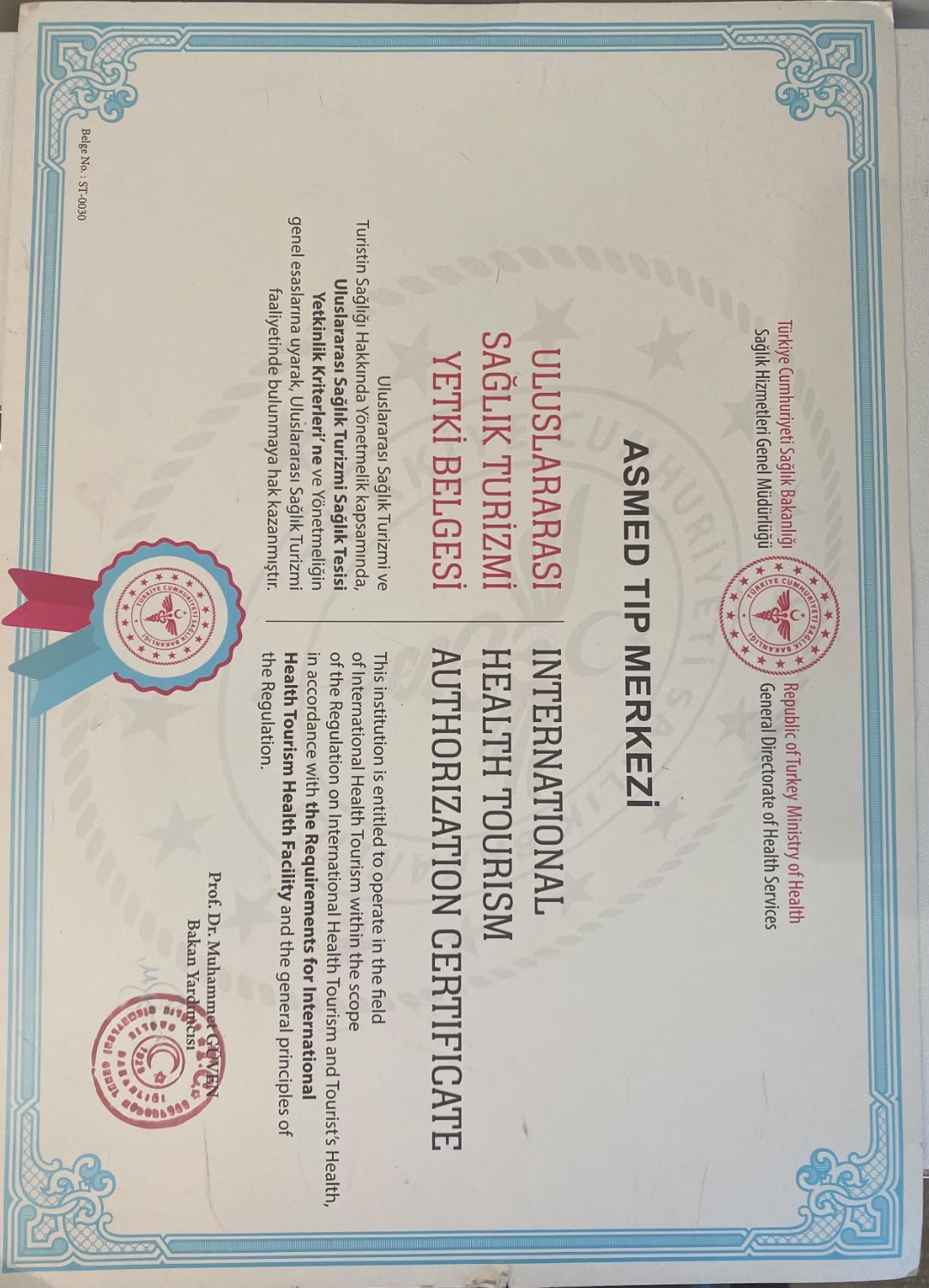
Centro sanitario autorizado para el turismo de salud internacional
ASMED Medical Center es un centro sanitario autorizado por el Ministerio de Sanidad de la República de Türkiye para prestar servicios en el ámbito del turismo de salud internacional.
Propietario y operador: ASMED ÖZEL SAÇ EKİMİ SAĞLIK HİZMETLERİ A.Ş.
N.º de certificado de autorización: ST-0030

Atatürk Mah. Sedef Caddesi No: 1/1 Ataşehir - İstanbul
Cookie Declaration - Update Date: 12.10.2026 - Editor: Ozer Erik - Tel: +90 216 464 11 11