
Drinking Coffee Before & After Hair Transplant: Is it Safe?
Coffee is part of daily life for many people, it’s how the day starts, and for many people it is how productivity survives. Therefore it is one of the most common questions like “Is it okay to drink coffee before a hair transplant?” or “Can I have coffee after the procedure?” The good news is that understanding how coffee and caffeine interact with your body during the hair transplant process can clear up a lot of unnecessary stress. With the right timing and moderation, you can make smart choices that support proper healing, without feeling like you have to give up your favorite cup entirely.
Coffee and Hair Transplant Relation
Coffee contains caffeine, a stimulant that affects the central nervous system and cardiovascular system. Caffeine increases heart rate, raises blood pressure, and stimulates blood circulation. While these effects are usually harmless in everyday life, they can interfere with surgical procedures and post-operative healing. Hair transplantation, including modern techniques such as FUE Hair Transplant, relies on precise graft placement and stable blood flow. Any factor that increases bleeding, swelling, or dehydration may negatively influence the early stages of graft anchoring and recovery.
Can I Drink Coffee Before Hair Transplant?
The answer is yes but, In most cases, doctors recommend avoiding coffee for at least 24 hours before the procedure. It is mostly not because it is harmful for the body but how it affects your body. For example, caffeine can increase blood pressure and this can cause more bleeding during the operation. Coffee can also make you feel more anxious or restless and may lead to dehydration. None of these are helpful before a medical procedure.
Risks of Drinking Coffee Before Hair Transplantation
Drinking coffee before hair transplantation may increase the likelihood of certain complications, including:
- Elevated blood pressure during surgery
- Increased bleeding in donor and recipient areas
- Reduced surgical visibility due to excessive bleeding
- Increased stress or nervousness caused by caffeine
- Dehydration, which may affect scalp condition
For these reasons, most clinics recommend stopping coffee consumption at least one day before surgery and focusing on hydration instead.
Can I Drink Coffee After Hair Transplant?
Another frequently asked question is can I drink coffee after hair transplant? The early post-operative period is crucial for graft survival, and most specialists advise avoiding coffee for several days after surgery. Drinking coffee after hair transplant can stimulate blood circulation and increase blood pressure, which may lead to swelling, redness, or bleeding in the scalp. During the first few days, transplanted grafts are still fragile and need stable conditions to settle securely into the scalp.
Risks of Drinking Coffee After Hair Transplantation
Drinking coffee after the transplantation can increase the risk of swelling in the scalp and forehead, it also can cause increased redness and irritations around grafts as well. Also bleeding can be affected negatively due to caffeine's side effects.
Why Caffeine Is Not Recommended After Hair Transplant?
Caffeine stimulates the nervous system and can cause fluctuations in blood pressure and circulation. After a hair transplant, the scalp requires balanced and consistent blood flow to supply oxygen and nutrients to newly implanted follicles. Caffeine also has mild diuretic properties, meaning it can increase fluid loss. Dehydration may slow wound healing, increase dryness of the scalp, and make the recovery process less comfortable. Additionally, caffeine may intensify post-operative symptoms such as headaches, anxiety, or sleep disturbances, all of which can affect overall recovery quality.
How Soon Can I Start Drinking Coffee Again After My Hair Transplant?
Patients often ask, how soon can I start drinking coffee again after my hair transplant? While recovery timelines vary from person to person, most surgeons recommend waiting at least 7 to 10 days before reintroducing coffee. In some cases, especially if swelling or redness persists, waiting up to two weeks may be advised. When coffee is reintroduced, it should be done gradually. Starting with a small cup once a day and observing the body’s response is the safest approach. If no swelling, discomfort, or scalp sensitivity occurs, moderate coffee consumption can usually resume.
Alternatives to Coffee After a Hair Transplant
During the recovery period, patients may look for alternatives to coffee that do not interfere with healing. Safer options include:
- Herbal teas such as chamomile or rooibos
- Warm water with lemon
- Fresh fruit juices without added sugar
- Decaffeinated beverages
- Plenty of plain water
These alternatives help maintain hydration and provide gentle energy support without stimulating the nervous system or affecting blood pressure.
Final Thoughts
Both coffee before hair transplant and coffee after hair transplant should be approached with caution. While coffee itself does not damage hair follicles, its effects on blood pressure, circulation, and hydration can interfere with surgical success if consumed at the wrong time.
Temporarily avoiding coffee before and after surgery is a small but important step that can help reduce bleeding, swelling, and discomfort, while supporting optimal graft survival. By following your surgeon’s recommendations and allowing the body to heal under stable conditions, you significantly improve the chances of achieving strong, natural, and long-lasting hair transplant results.
A short break from caffeine is a simple adjustment, but one that can make a meaningful difference in your recovery and final outcome.
ASMED Approach to Safe Recovery After Hair Transplantation
At ASMED Surgical Medical Center, post-operative care is regarded as an essential part of the hair transplant process, not a separate step. From pre-operative preparation to full recovery, every stage is guided by scientifically structured protocols designed to protect graft survival and promote natural, long-term hair transplant results. Hair transplant cost depends on many factors. In the world of premium clinics like ASMED, cost isn't just a flat fee; it’s a reflection of surgical precision and technological investment.
Under the leadership of Dr. Koray Erdoğan, ASMED combines advanced FUE techniques with detailed scalp analysis, precise surgical planning, and personalized aftercare recommendations. Lifestyle factors such as caffeine intake are carefully addressed, as they can influence blood pressure, circulation, and the healing environment of newly transplanted follicles.
Patient education is a cornerstone of the ASMED philosophy. Clear guidance on when to avoid coffee, when it can be safely reintroduced, and how to support recovery through proper hydration and nutrition helps patients make informed decisions during the healing period. This approach reduces complications, shortens recovery time, and enhances overall comfort. If you are searching to have a hair transplant in Turkey, ASMED is waiting for you with the answers for your unique needs.
Holen Sie sich eine kostenlose Beratung!
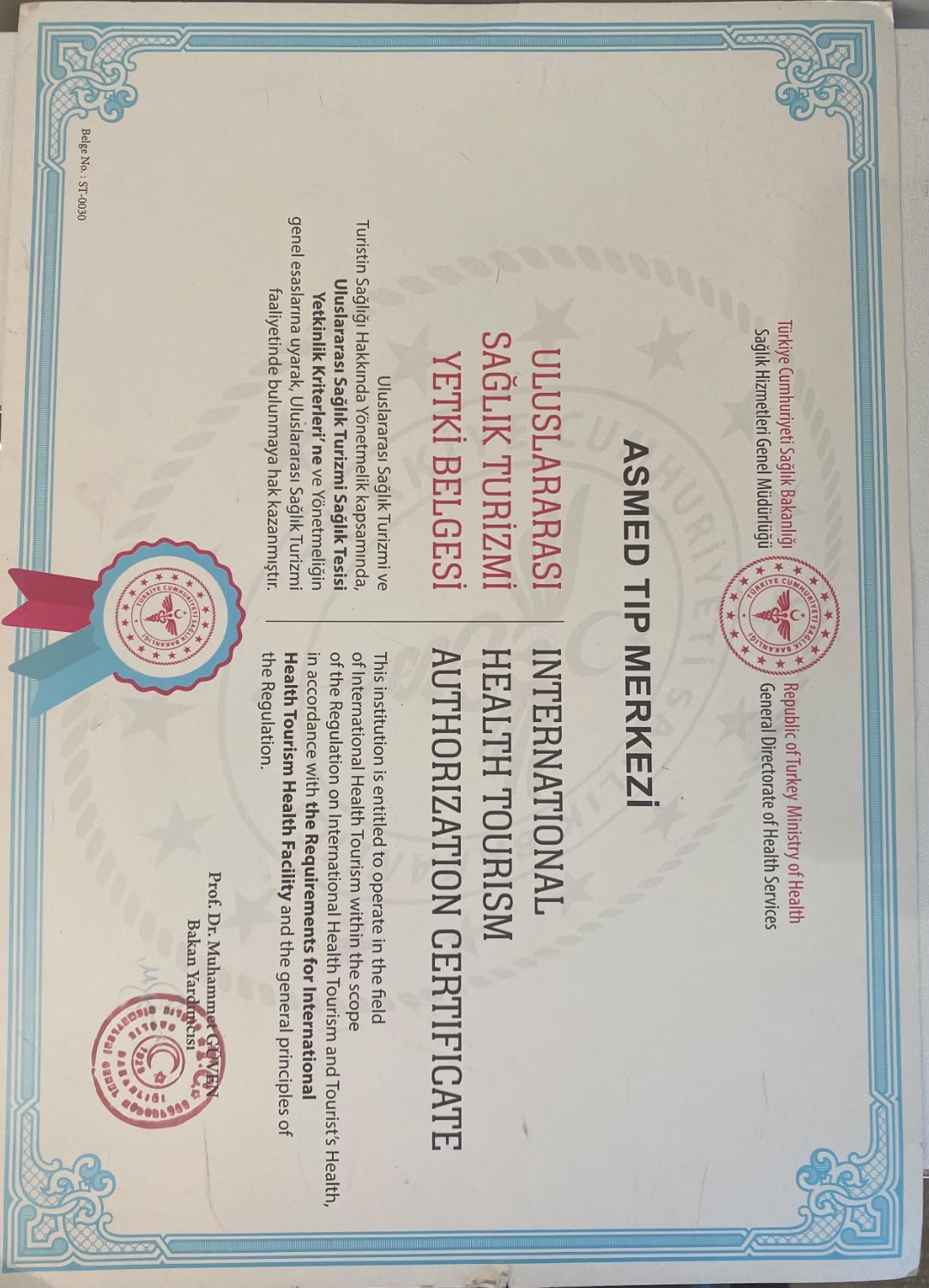
Für den internationalen Gesundheitstourismus zugelassene Gesundheitseinrichtung
Das ASMED Medical Center ist eine vom Gesundheitsministerium der Republik Türkiye zugelassene Gesundheitseinrichtung für Dienstleistungen im Bereich des internationalen Gesundheitstourismus.
Eigentümer und Betreiber: ASMED ÖZEL SAÇ EKİMİ SAĞLIK HİZMETLERİ A.Ş.
Zulassungsurkunde Nr.: ST-0030

Atatürk Mah. Sedef Caddesi No: 1/1 Ataşehir - İstanbul
Cookie Declaration - Update Date: 12.10.2026 - Editor: Ozer Erik - Tel: +90 216 464 11 11