
How to Stimulate Hair Growth Naturally? Effective Tips
Slow growth, thinning strands, hair that seems to be retreating, these are frustrating problems, but they're not hopeless ones. Getting to grips with how to stimulate hair growth naturally is the starting point for anyone who wants a fuller, healthier head of hair. This guideline provides everything from head massages, proper nutrition, essential oils, to medication that you need to consider from your side of things and when to seek additional help.
What Causes Slow Hair Growth?
Each hair shaft is formed of keratin, a protein with multiple layers of flat cells, which makes up the hair. Your dermis, which holds your hair to the scalp, contains hair follicles from which each hair shaft develops. These hair shafts can develop into either delicate, short vellus hair or dense, long terminal hair. Even though the hair is the human body's fastest-growing tissue, trying to grow it longer or thicker might feel like a never-ending waiting game.
Although human hair is the tissue that grows the fastest, it only grows on average between 0.5 and 1.7 centimeters per month or between two and eight inches per year. That increase may seem negligible when you're waiting for it to happen. In addition, your hair's growth rate will vary depending on age, hair type, general health, and any associated medical concerns.
To understand why your hair may be growing slowly, it helps to know a little about the hair growth cycle, which moves through three distinct phases. The anagen phase is active growth and can last anywhere from two to seven years. The catagen phase is brief and transitional. Then comes the telogen phase, a resting period that ends with the hair shedding and the cycle starting over. When an unusually high number of follicles enter that resting phase at the same time, growth appears to slow almost to a standstill. Nutritional deficiencies, hormonal shifts, chronic stress, scalp conditions, and certain medications can all cut the anagen phase short, pushing follicles into telogen ahead of schedule and leading to noticeably slower growth or heavier shedding.
How to Stimulate Hair Follicles Naturally at Home?
Any effective hair growth routine comes back to one central question: how do you actually stimulate the follicles themselves? Healthy hair follicles depend on a reliable supply of blood, oxygen, and nutrients, and several simple at-home habits can make a real difference when practised consistently over time.
Ultimately, the key to a successful hair growing system is always to get down to the essential issue of how to get those follicles activated. For the hair follicles to be healthy, blood, oxygen, and nutrients have to flow into them regularly, which is why some very basic home practices will help.
When you're exhausted, it may be tempting to skip brushing your hair before bed, but doing so can be beneficial for the general health of your hair and scalp.
Brushing with a soft-bristle brush helps distribute the scalp's natural oils down the hair shaft, which keeps strands moisturised and cuts down on breakage. Cooler shower water is also worth the slight discomfort, it protects the cuticle and seals moisture in. Pulling back on heat styling and chemical treatments reduces the kind of cumulative damage that makes hair look thinner and shorter than it actually is.
You might be prevented from having the longest hair possible by going from a darker shade of blonde to light blonde. When the cuticle of the hair is affected by bleach, there may be increased breakage or split ends. Your hair will grow better with less chemical treatments.
A clean, balanced scalp environment matters just as much as the hair itself. Product build-up can block follicle openings and quietly impede growth. Using a gentle clarifying shampoo every now and then, and avoiding heavy silicones that tend to accumulate at the scalp, keeps follicles clear and in better shape to produce new growth.
How to Stimulate Hair Growth for Men?
Understanding how to stimulate hair growth for men means acknowledging that male hair loss usually follows its own distinct pattern, driven by genetics and the hormone dihydrotestosterone, DHT for short. DHT attaches to receptors in genetically susceptible follicles and gradually miniaturises them, producing the familiar receding hairline and crown thinning that characterise male pattern baldness.
These natural solutions can help to stall the process and maintain those follicles which are healthy. Scalp massage, a nutritious diet, and substances which block the production of DHT like saw palmetto, pumpkin seed oil, and rosemary oil have proven effective for follicle maintenance in males. Dealing with chronic stress by exercise, good sleep, and stress reduction methods is advisable since high levels of cortisol cause faster follicle miniaturization.
For men with moderate to significant hair loss, minoxidil and finasteride remain the most clinically studied treatments. When natural and medical routes have both been exhausted, a hair transplant Turkey is an increasingly sought-after long-term option, permanently redistributing DHT-resistant follicles to areas where hair has thinned. Looking into hair transplant cost early in the process helps set realistic expectations before any decisions are made.
How to Encourage Hair Growth Naturally for Women?
For women, the question of how to encourage natural hair growth is shaped by the hormonal complexity of the female body. Oestrogen promotes a longer anagen stage, and many women experience faster and thicker hair growth during pregnancy due to this. Hormonal imbalances brought about by postpartum recovery, perimenopause, and menopause may result in a complete opposite scenario, resulting in hair fall and slow hair growth. Other causes like polycystic ovarian syndrome and thyroid conditions also affect the health of hair in women.
Women who want to promote hair growth should focus more on iron and ferritin levels because lack of ferritin results in diffuse hair loss before even having an anaemic condition. Intaking sufficient amounts of protein in every meal provides the follicles with what they need to grow hair. Gentle hair care without using hair pulling methods, heat tools, and allowing hair time off prevents breakage and maintains its length. A daily scalp massage along with medically approved topical application products can considerably speed up the process for women with hair loss problems.
Scalp Massage for Stimulating Hair Growth
Scalp massage is one of the most accessible techniques for promoting hair growth, and it has a decent body of evidence behind it. Pressing gently with your fingertips increases blood circulation to the scalp, getting more oxygen and nutrients to the roots of the follicles. That improved blood flow can help extend the anagen phase and may even coax dormant follicles back into activity.
Here are a few guidelines or tips for maintaining healthy hair and keep it in a good condition.
- As part of your morning ritual, take a vitamin for solid hair.
- Stop using bleach.
- Pay attention to scalp care and maintain a cooler shower temperature
- Shield hair against deterioration.
- Regularly massage your scalp.
Use the pads of your fingers rather than your nails, working in small circular motions across the whole scalp for four to five minutes. A dry massage works fine, but applying a small amount of oil adds slip and some extra nourishment. Try to fit in four to five visits per week, consistency is key over time duration. Five minutes daily is better than once or twice weekly at twenty minutes. There are those who rely on a silicone scalp massaging device that allows for greater coverage and pressure without pulling hair.
Nutrients to Promote Hair Growth on the Scalp
Although many businesses advertise vitamins or supplements to encourage hair development, they sometimes have a noticeable impact on hair length. This is because the human body requires energy to develop the hair. Therefore it may be affected if you taken in too little calories and lack specific nutrients.
Generally, receiving your vitamins and nutrients through food is ideal. Even so, consider consuming some vitamins, especially if you have a deficiency.
Protein supplements, particularly keratin, may help people with protein deficiencies maintain healthy hair because hair loss is a symptom of a protein deficiency.
A few particular nutrients that help in growing hair are discussed below. Biotin, which is a B vitamin, helps in strengthening the keratin structure of hair and can be found in eggs, nuts, and seeds. Additionally, understanding the connection between protein deficiency and hair loss is crucial, as hair follicles are primarily made of protein. One of the most prevalent causes of hair loss that can be easily treated by taking supplements is iron deficiency, especially among women. Good sources of iron include leafy vegetables, legumes, and lean red meat. Zinc assists in the repair of the hair follicles and protein formation. Vitamin D supposedly aids in the formation of new hair follicles and awakening those in hibernation. Omega-3 fats from oily fish and flax seeds will provide nourishment for the scalp, and reduce any inflammation on the scalp.
If you have recently undergone a restoration procedure, choosing the best vitamins after hair transplant can significantly aid your recovery and stimulate strong regrowth. Finally, if you think you might be deficient in any of these, a blood test through your doctor is the most reliable way to find out before starting supplements.
Essential Oils and Natural Remedies for Stimulating New Hair Growth
Essential oils are among the most popular natural approaches to stimulating new hair growth, and a handful have reasonable research support. Rosemary oil has received the most research interest since it is believed to increase the activity of cells and their circulation within the scalp; a few research studies have found rosemary oil to be as effective as minoxidil. Peppermint oil causes a cooling effect due to increased circulation of blood around the hair follicles. Cedarwood and clary sage have been traditionally used to help regulate scalp oils and inflammation.
The essential oils have to be diluted with a carrier oil, and jojoba, coconut, and argan are good carrier oils that work well with essential oils in a ratio of two or three drops of essential oils to one tablespoon of carrier oils. The blend should then be applied to the scalp and massaged for several minutes before being left for about half an hour or overnight before being washed off.
Among other natural treatments one should also know about onion juice that is rich in sulphur content and helps produce more collagen around the hair follicle and aloe vera that helps to heal the inflamed or dry scalp. Green tea rinses provide antioxidants that can protect hair follicles from damage by free radicals. These treatments are not the alternatives to medical care but they may be useful supplements to overall hair growth program.
When to See a Doctor About Hair Loss or Slow Hair Growth
Any worries you may have about your hair, such as concerns about severely damaged hair or limited hair development, should be discussed with a doctor. The average hair growth rate is around six inches yearly or half an inch monthly. You have one follicle for each hair on your head. This is an average, after all, so individual results may vary.
Book an appointment with a dermatologist or trichologist if you notice sudden or patchy hair loss, a rapidly widening parting, scalp visible in areas that were previously dense, or hair loss paired with fatigue, weight changes, or skin changes. These signs can point to an underlying condition, alopecia areata, thyroid dysfunction, iron deficiency anaemia, or a scalp infection, that needs targeted treatment. Earlier intervention generally leads to better results, so getting an opinion promptly rather than waiting to see whether things improve on their own is nearly always the wiser approach.
FAQs About Stimulating Hair Growth
Can scalp massage really stimulate hair growth, and how often should you do it?
Scalp massage can genuinely help stimulate hair growth, working by increasing blood circulation to the follicles and creating a mild mechanical stimulus that may extend the anagen phase. In order to achieve the desired results consistently, you need to put in at least four to five minutes daily or four to five days weekly. It is recommended that the tips of the fingers be massaged in circles on the entire scalp, either with the aid of a diluted mixture of essential oils. It’s a slow process, but one which requires consistency and patience.
What is the fastest way to stimulate hair growth naturally?
It won’t happen overnight, but a combination of multiple methods is likely to yield faster results than anything else. Ensuring that there are no deficiencies of nutrients such as iron, vitamin D, and biotin establishes the base which is essential for hair growth. Adding regular scalp massage, hair regime that doesn’t damage your strands, and using an extensively studied oil, such as rosemary, creates almost perfect conditions for the follicles to thrive. Reducing stress levels and sleeping well will also help accelerate the process, since growth hormones are mostly secreted during deep sleep.
Does stimulating baby hair help it grow into thicker, fuller strands?
The fine hair strands that grow around the hairline and temples region, often referred to as baby hair, can, through proper management and care, develop into terminal hairs eventually. This can be done by massaging the scalp hairline area, proper nourishment, and using appropriate oils. The hairline needs to be treated with caution because rough brushing and pulling on them will only cause their premature damage without even being allowed to mature. It takes quite some time before the change becomes noticeable.
How long does it typically take to see results after starting a hair growth routine?
Generally, individuals start noticing a decrease in shedding within four to eight weeks of making necessary changes, and this is normally the first sign that follicles react positively. Hair growth, especially new strands of hair around the hairline, is normally noticed after two to three months. Any positive changes in terms of density and length take not less than six months of constant efforts. The hair is grown slowly, so being patient is just a must. Taking photographs on a monthly basis under identical lightings is quite helpful since changes, which we might not notice on daily bases, become very clear with comparison.
Visit Asmed, the store that excels at selling the most fantastic hair products, if you want the best product to stimulate your hair. Asmed puts every product for boosting hair at your fingertips. You can also visit Asmed if you want to undergo the Fue hair transplant. The best product from Asmed al can be yours with simply a phone call or a visit to their website. Additionally, you can speak with experts on the best ways to use the goods for your goals.
Ia-o consultație gratuita!
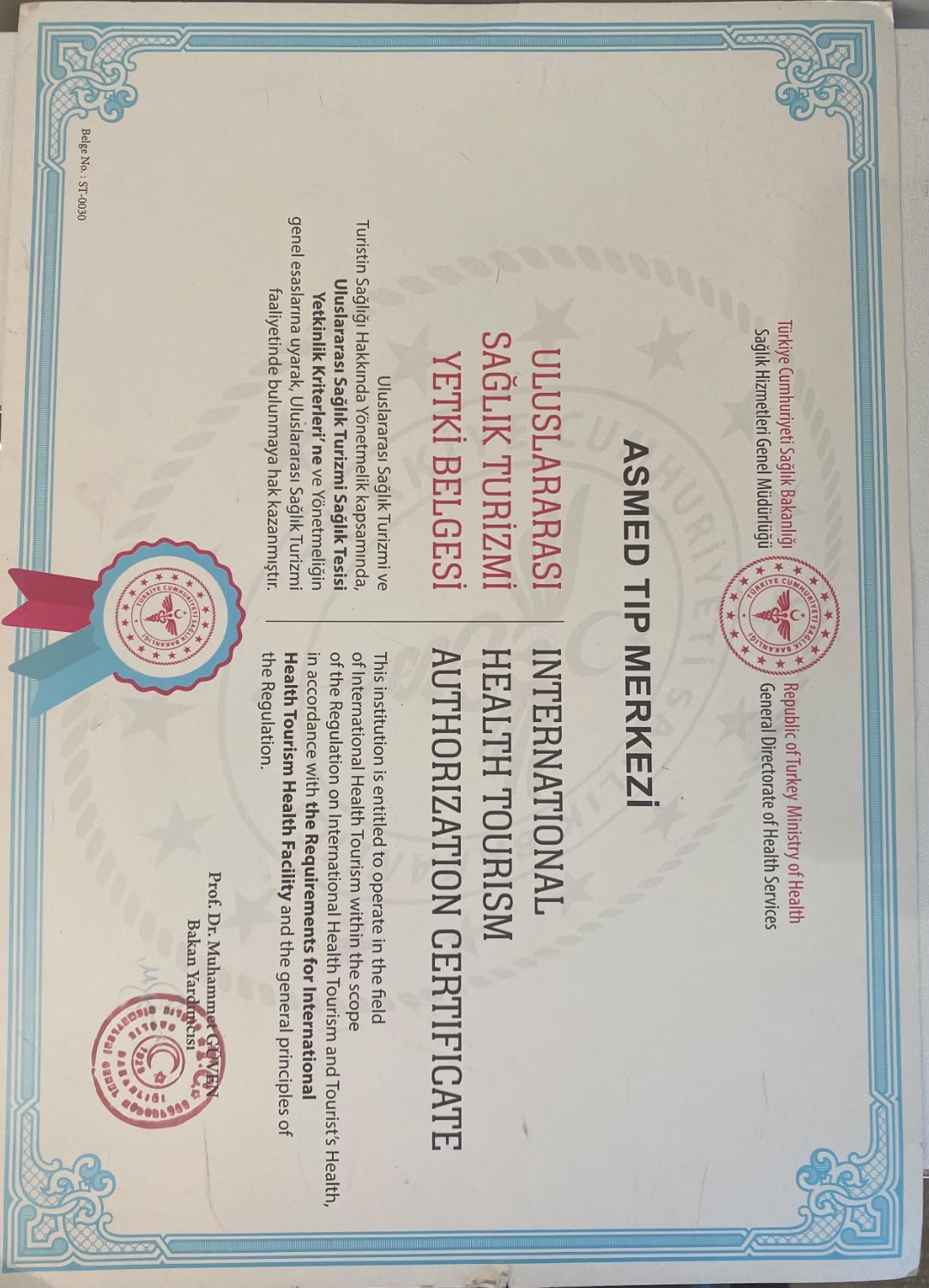
Unitate sanitară autorizată pentru turism medical internațional
ASMED Medical Center este o unitate sanitară autorizată de Ministerul Sănătății din Republica Türkiye să presteze servicii în domeniul turismului medical internațional.
Proprietar și operator: ASMED ÖZEL SAÇ EKİMİ SAĞLIK HİZMETLERİ A.Ş.
Certificat de autorizare nr.: ST-0030

Atatürk Mah. Sedef Caddesi No: 1/1 Ataşehir - İstanbul
Cookie Declaration - Update Date: 12.10.2026 - Editor: Ozer Erik - Tel: +90 216 464 11 11