
Does Wearing a Hat Cause Hair Loss?
The notion that wearing a hat promotes hair loss is unsupported by actual evidence, just like other hair loss misconceptions. But it's a widespread myth that has persisted for many years. So let's begin straight away. No, normally, wearing a hat doesn't result in hair loss. In actuality, there is no credible scientific evidence that hat use contributes in any way to hair loss. However, anything you wear on your head that strains your hair roots, such as hats, could cause this. Androgenetic alopecia is men's most typical type of hair loss.
Suppose your hat is worn so tightly that it prevents blood flow to your hair follicles. It could reduce blood flow to the scalp and hair follicles, straining them and resulting in hair loss. Wearing one for a few hours is acceptable as long as the hat is not painfully tight and won't result in hair loss. If the hat is excessively tight, you may see that the hair follicles are becoming inflamed or irritated as a result. In addition, you may have hair-pulling stress as a result of it.
Can Tight Hats Damage Hair Follicles?
Yes, but only under very specific and sustained conditions. A normally fitting hat does not physically damage hair follicles or restrict scalp circulation enough to meaningfully influence hair growth. The concern arises specifically with hats that are worn excessively tight over a prolonged period.
When a hat is too snug, it creates constant pressure on the same areas of the scalp. Over time, this pressure may pull on the roots and stress the follicles, especially around the hairline. Repeated strain of this kind is the mechanical basis of a condition called traction alopecia, a form of hair loss caused by sustained tension on the hair roots rather than by genetics or hormones.
The key word is "sustained." Traction alopecia does not happen overnight. Long-term use of tight headwear can contribute to hair weakening and breakage in sensitive areas, but a hat worn comfortably for daily use poses minimal risk to follicle integrity. Hair follicles also receive their oxygen and nutrients through the blood supply beneath the skin, not from outside air, so a regular hat cannot "suffocate" hair or block growth in the way the myth suggests.
How Tight Is Too Tight for a Hat?
A hat is too tight if it causes discomfort, leaves visible indentations on the forehead or scalp, or produces a headache during or after wear. These are reliable physical signals that the hat is generating enough pressure to stress the follicles along the contact points.
Other warning signs to watch for include:
- Redness or itching along the hatband line
- Thinning or breakage specifically at the hairline where the hat sits
- Small bumps or pustules at the follicle openings around the band area
- Hair that consistently pulls out when removing the hat
If none of these signs are present, the hat fits well enough to wear without concern. A well-fitting hat should rest comfortably on the head with no pulling sensation, and you should be able to slide one finger beneath the band without resistance. If you cannot, it is time to size up or choose a style with an adjustable strap.
Can Wearing a Hat Every Day Make You Bald?
No, wearing a hat every day does not cause hair loss. There is no evidence that wearing hats normally causes pattern baldness. Genetics and sensitivity to dihydrotestosterone (DHT) cause hair loss in the form of androgenetic alopecia, which results in receding hairlines and thinning crowns. A hat won't change your genetics or your DHT levels.
In fact, one study of identical male twins found that those who wore hats on a regular basis actually exhibited less hair loss at the temples than their non-hat-wearing counterparts. That’s not to say that hats prevent hair loss, but it does undermine the idea that hats cause it when worn daily.
The one exception remains a hat that is extremely tight and worn for many hours every day over months or years. In that narrow scenario, localized traction at the hairline is a plausible concern. But for the vast majority of hat wearers, daily use carries no meaningful baldness risk. If you notice your hair thinning while regularly wearing a hat, the cause is almost certainly genetic, hormonal, or health-related, not the hat itself.
What Type of Hair Loss Is Linked to Tight Hats?
Traction alopecia is the specific hair loss type that can be linked to tight hats. This condition occurs when prolonged, excessive mechanical tension is applied to the hair roots. It is not the same as androgenetic alopecia (male or female pattern baldness), which is governed by genetics and hormones, not physical pressure.
With traction alopecia, hair loss typically begins at the temples, hairline, and the areas where the hat band presses most firmly. Early signs include folliculitis, reduced hair density around tension areas, and broken hairs. Importantly, early-stage traction alopecia is reversible if the source of tension is removed promptly. However, long-term, unaddressed traction can lead to permanent scarring of the follicle, at which point hair restoration options such as an FUE hair transplant may need to be considered. Traction alopecia from hats is far less common than the form caused by tight hairstyles such as braids, cornrows, and tight ponytails, which generate far greater and more sustained pulling force.
Is There Any Scientific Proof That Hats Cause Hair Loss?
The scientific evidence does not support the claim that hats cause hair loss. A large study of 865 men with male-pattern baldness found no difference in hair loss between those who frequently wore hats and those who did not. A separate study of identical twins reached a similar conclusion, with hat-wearing twins actually showing slightly less hair loss than their counterparts.
Older historical texts from the 19th and early 20th centuries speculated that hats caused baldness by pressing on the small arteries of the scalp and creating a microbe-friendly environment. However, these theories were observational and preceded modern understanding of genetics and hair biology. They have not been substantiated by controlled clinical research.
The current scientific consensus is clear: normal hat use does not cause hair loss. The myth likely persists because many men who begin losing their hair are also regular hat wearers, making the hat an easy but incorrect scapegoat for a process driven entirely by genetics and hormones.
Pros and Cons of Wearing a Hat
There is no evidence that wearing a hat benefits your hair, even though it won't cause hair loss. Hats have both benefits and drawbacks. A wide-brimmed hat can help block the sun's rays from your face and neck, lowering your risk of getting skin cancer and preventing sunburn.
However, wearing a hat too frequently or one that isn't properly cared for isn't necessarily a good thing when it comes to your skin and hair health. For example, sweat can accumulate inside hats over time, which could hurt your scalp if you frequently wear one in hot weather or while working out.
This sweat can block pores and cause acne breakouts when it combines with germs and sebum on your skin. Washing hats, headbands, and other clothing worn against your head frequently will help you avoid this. Although there is no proof that wearing a hat too tightly prevents blood flow to your hair follicles, it can irritate your skin when it rubs against it.
Make sure your hat's adjustable snap fastener is loosened to prevent this from happening so that it doesn't irritate or chafe your skin.
FAQs About Wearing a Hat and Hair Loss
Do Hats Reduce Blood Flow to the Scalp?
Typically, no. A properly fitting hat does not appreciably reduce blood flow to the scalp. The blood supply below the skin provides oxygen and nutrients to the hair follicles and not the surface of the skin . So a comfortable hat that presses on the surface of the skin will not affect the nutrition of the hair follicles .
The only hats that cause concern about circulation are those that are painfully tight. In that case it is thought that a very tight, warm hat could cut down on blood flow to the hair follicles, stressing or pulling on them too much. But this situation requires a level of constriction that would be physically uncomfortable to most people long before any follicle damage occurred. If you can wear a hat comfortably, it is not constricting scalp circulation.
Are Baseball Caps Bad for Your Hair?
A properly fitted baseball cap isn’t bad for your hair. They do not lead to pattern baldness or directly damage the hair follicles. The main causes of male pattern baldness are genetic and hormonal, particularly the sensitivity to DHT, and a cap doesn’t affect either.
There are however a couple of practical hygiene points to consider. Hats soak up sweat, oil and dead skin cells from the scalp. If a baseball cap is not washed regularly, bacteria and fungus can accumulate inside the fabric. This build-up can cause irritation to the scalp, resulting in itching, dandruff or even minor infections if worn for long periods. Hats worn regularly should be washed every 7-10 days or more often if worn during exercise or in hot weather. A clean baseball cap that fits properly will not do much to harm your hair.
Are Beanies Harmful to Hair Health?
A beanie worn correctly is not bad for hair health. That said, beanies do deserve some extra love because they cover the full scalp, are often worn for long periods of time in cold weather, and sometimes pulled up tight to stay put.
The key things to consider with beanies are fit, material and hygiene. A beanie that is too tight around the hairline can cause the same type of friction and pressure that results in traction alopecia over time, but it is unlikely to develop from beanie use alone. Rough or coarse materials like some blends of wool can also create friction to fine or fragile hair, breaking the strands at the point of contact. A softer, smoother fabric beanie will help minimize this risk. Like any hat, the only thing you need to do to wear your beanie safely is to keep it clean and make sure it fits comfortably without pulling or squeezing it.
Tips to prevent hair loss
- Avoid wearing tight or excessively tight hairstyles like braids, buns, or ponytails.
- Don't touch, tug, or frizz your hair. When washing and combing your hair, use caution.
- To prevent pulling your hair out while you brush your hair, try using a wide-tooth comb.
- Avoid using irritating hair products that can damage your hair or cause hair loss, such as hot curling irons and hot oil treatments.
Avoid using medications and dietary supplements that are known to result in bald spots or hair loss. You may choose to have a hair transplant if you experience excessive hair loss. Many people who have had the procedure want to know if they can wear hats after a hair transplant. It is okay to wear a hat 10 to 7 days after hair transplant.
To learn about the condition of your hair and what to do if it starts to fall out, you can visit the Asmed page.
Get a Free Consultation!
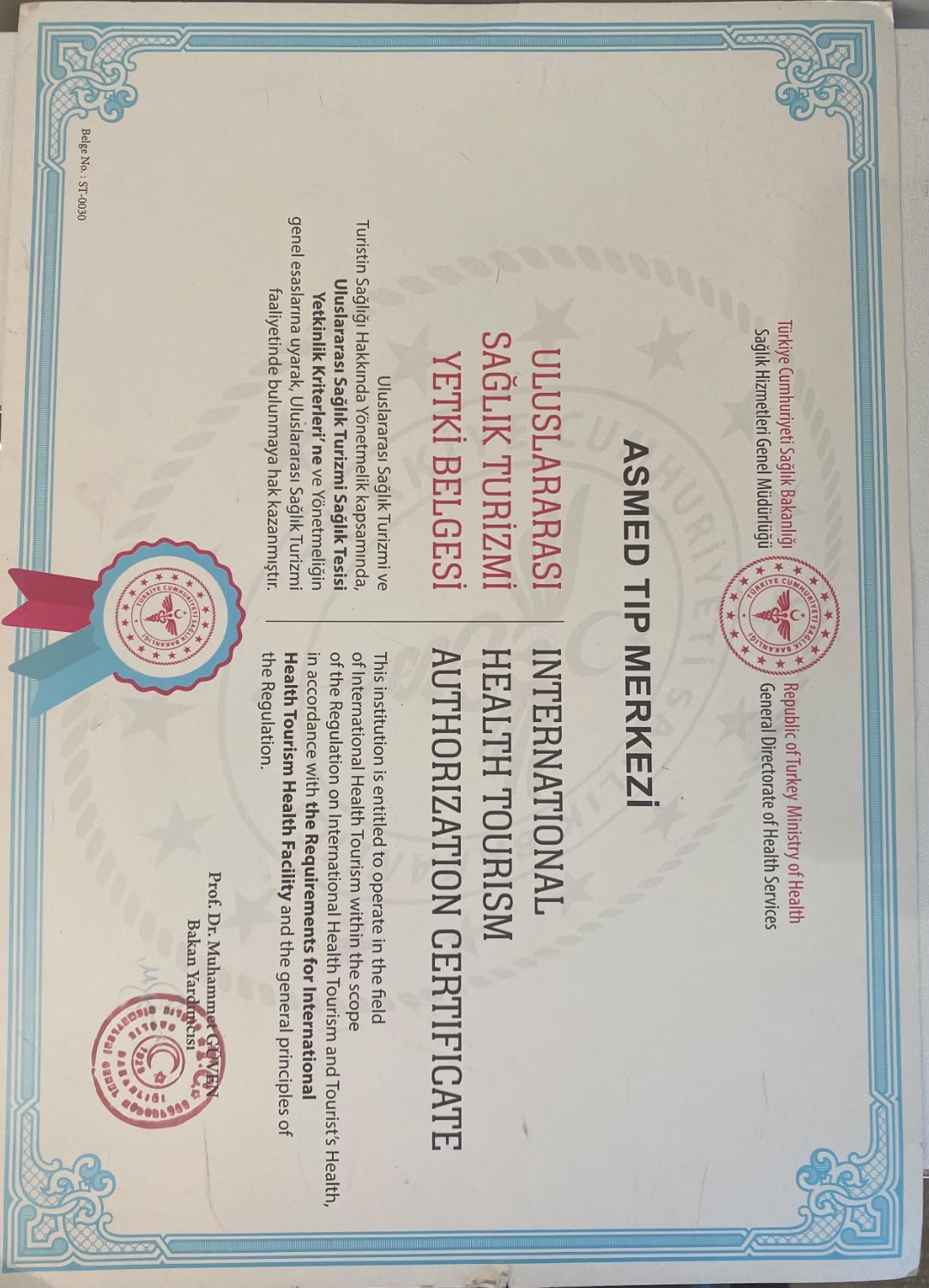
국제 의료관광 인가 의료기관
ASMED 메디컬 센터는 튀르키예 공화국 보건부로부터 국제 의료관광 분야의 서비스를 제공하도록 인가받은 의료기관입니다.
소유 및 운영: ASMED ÖZEL SAÇ EKİMİ SAĞLIK HİZMETLERİ A.Ş.
인가 증서 번호: ST-0030

Atatürk Mah. Sedef Caddesi No: 1/1 Ataşehir - İstanbul
Cookie Declaration - Update Date: 12.10.2026 - Editor: Ozer Erik - Tel: +90 216 464 11 11