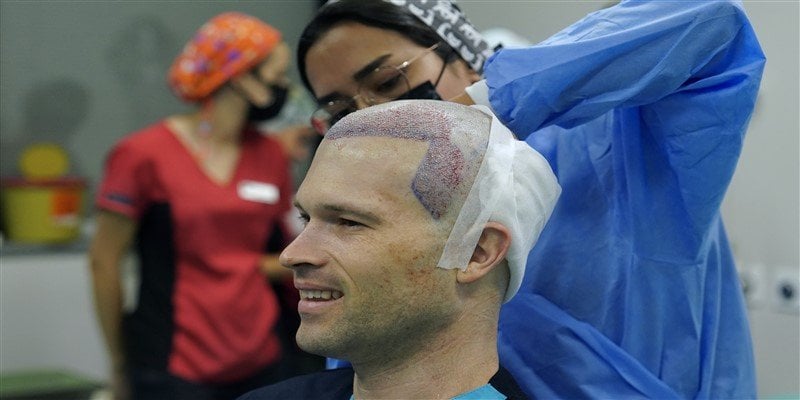
10 giorni dopo il trapianto di capelli
Dopo trapianto di capelli, continuerai ad avere accesso a un programma di assistenza post-operatorio e una consulenza professionale. Potrebbero essere necessari fino a 2-3 mesi affinché i nuovi follicoli si integrino correttamente e inizino a sviluppare naturalmente nuovi capelli. La crescita dei capelli nuovi può essere irregolare all'inizio, ma con il tempo avrai una copertura folta. La maggior parte dei pazienti vede la ricrescita 10 mesi dopo dall'intervento. Si prega di tenere presente che l'esito e il tempo di recupero di ciascun paziente possono variare.
La procedura dopo un trapianto di capelli
Durante l'operazione di trapianto di capelli, i follicoli vengono trapiantati. L'obiettivo è trapiantare i follicoli che producono la fibra capillare. I pazienti devono essere informati su queste cose prima dell’intervento perché coloro che sono informati non diventano apprensivi o preoccupati.
Di conseguenza, mentre attendi che i capelli si rigenerano dopo il trapianto potrebbero esserci dei lievi fastidi, ma si tratta di una procedura naturale che richiede in media tre mesi. La crescita dei innesti richiede in media un anno, con un risultato definitivo prodotto alla fine di quel periodo.
1-6 giorni dopo la procedura
Pochi giorni dopo la procedura si può osservare un leggero gonfiore nella zona del trapianto, a seconda della persona. Questo normalmente inizia verso il terzo giorno e si conclude il sesto. Entro 5-7 giorni, l'esfoliazione avviene nella regione in cui vengono estratti i follicoli piliferi.
7-10 giorni dopo la procedura
I tuoi capelli crescono di 1-2 millimetri in più e il tuo aspetto generale migliora. Bisogna rimuovere le croste, che si trovano nella zona trapiantata, durante il decimo o undicesimo lavaggio.
1-3 mesi dopo la procedura
Alcune settimane dopo la procedura, potresti sentire il prurito nella zona trapiantata.Avere i brufoli è normale. In generale questo processo di crescita richiede tre mesi. I capelli che stanno appena iniziando a crescere sono sottili, ma si ispessiscono con il tempo.
5-6 mesi dopo la procedura
Entro il quinto e il sesto mese, la maggior parte dei capelli è in fase di crescita. Alcuni peli possono crescere sotto la pelle. I nuovi capelli sono lunghi 2-3 cm e si ispessiscono progressivamente.
8-10 mesi dopo la procedura
Durante l'ottavo e il decimo mese, il paziente noterà una evidente crescita dei capelli. I capelli ora sono più folti. Rispetto a qualche mese prima, l'aspetto sarà molto migliorato.
1 anno dopo la procedura
Il paziente nota i risultati più chiaramente un anno dopo l'operazione. Anche se la trasformazione dei capelli continuerà ancora, in un anno è stato ottenuto un successo significativo.
What Should the Scalp Look Like on Day 10?
The instructed washes help small crusts come away as the donor area heals. By day 10, redness or swelling may have reduced, although some pinkness or itching can remain. The early scalp appearance does not yet show the final growth of the transplanted hair.
Apply the silver water / moisturizing spray supplied by ASMED to both the recipient and donor areas three times a day to support healing and reduce itching.
Do not pick remaining crusts or scratch an itchy area. Worsening pain, spreading redness or unusual discharge should be reviewed by the clinic rather than attributed to routine healing.
Are Hair Transplant Grafts Secure After 10 Days?
Grafts become more firmly anchored as healing progresses. Do not rub, scratch or pull on them to test whether they are secure. Gentle contact during the demonstrated wash serves a different purpose; follow the technique shown by the nurse.
Can I Wash My Hair Normally or Remove the Scabs?
At ASMED, a nurse performs the first wash the day after surgery and demonstrates the method to continue at home. Wash once daily for the first 10–12 days. Once the recipient area is completely free of crusts, stop the lotion and resume normal washing; you may continue using the supplied shampoo.
If crusts remain after day ten, send the clinic a photograph and ask it to demonstrate the next step. Do not pick at crusts or increase pressure on your own.
Can I Work, Exercise or Swim?
Desk work may be possible after the first week if your recovery allows. ASMED’s online timetable marks days 1–7 as a period without office work. The patient guide advises avoiding dust and excessive sweating for two weeks; physical work or protective headgear may need different arrangements.
Day ten is too early to restart gym training under ASMED’s guidance. The patient guide advises waiting four weeks before resuming sport. Swimming and sauna use have separate restrictions; ask your care team about them. The exercise guide explains how to plan a return to training.
Can I Wear a Hat or Sleep Normally?
ASMED’s patient guide describes using the clinic’s cap or a comfortable cotton hat for protection and removing it periodically. Follow the instructions given to you about when and how to wear it, and avoid pressure or rubbing on the grafts.
To prevent pressure on the treated areas during sleep until the crusts have fallen away, use the inflatable pillow supplied by ASMED first, then the memory-foam pillow as shown by your team. Continue protecting the operated areas while crusts remain; day ten alone does not determine when to change your sleeping routine.
What About Alcohol and Smoking?
The ASMED timetable marks no smoking through day 15, so day 10 remains within that restriction. Follow the alcohol advice provided with your treatment and prescribed medication, and ask the clinical team if you are unsure when drinking can resume.
What Happens After Day 10?
Most transplanted hair shafts shed during the first month, temporarily returning the appearance toward the preoperative state. New growth develops during months 3–6, followed by increasing density and a more natural appearance in months 6–12. ASMED’s guidance places the final appearance at 12–15 months, with individual variation. The main recovery timeline explains each stage and when a further procedure may be considered.
Why Choose ASMED for Your Hair Transplant?
At ASMED, Dr. Koray Erdoğan personally conducts the in-person consultation and surgical planning. The clinic performs Manual FUE using hand-operated punches, with extraction planned across donor regions to preserve the natural appearance of the remaining hair and the reserve for possible future treatment. Hairline design considers the patient’s facial proportions, existing hair and longer-term needs.
Dr. Erdoğan personally creates the recipient sites, setting their angle and direction to achieve natural-looking hair transplant results. Low-angle sites allow transplanted hairs to lie close to the scalp where this matches the natural growth pattern. This attention to hairline design, graft orientation and donor management connects the surgical plan to the intended appearance.
KE-BOT supports donor assessment through robotic scalp imaging and measurement on a shaved scalp. Grafts are placed into the pre-created recipient sites using K.E.E.P., developed by Dr. Erdoğan for precise and controlled placement.
I trapianti di capelli sono procedure delicate su cui le persone hanno molte domande e preoccupazioni. Per ridurre le tue ansie e cercare risposte alle tue domande, potresti rivolgerti ai professionisti di Asmed per ricevere assistenza. Se hai domande come quanto tempo impiega un trapianto di capelli per guarire, quando posso dormire normalmente dopo un trapianto di capelli, o se vuoi controllare le 6 domande che faresti dopo un trapianto di capelli, puoi visitare il blog di Asmed o contattarci il prima possibile.
Consultazione gratuita!
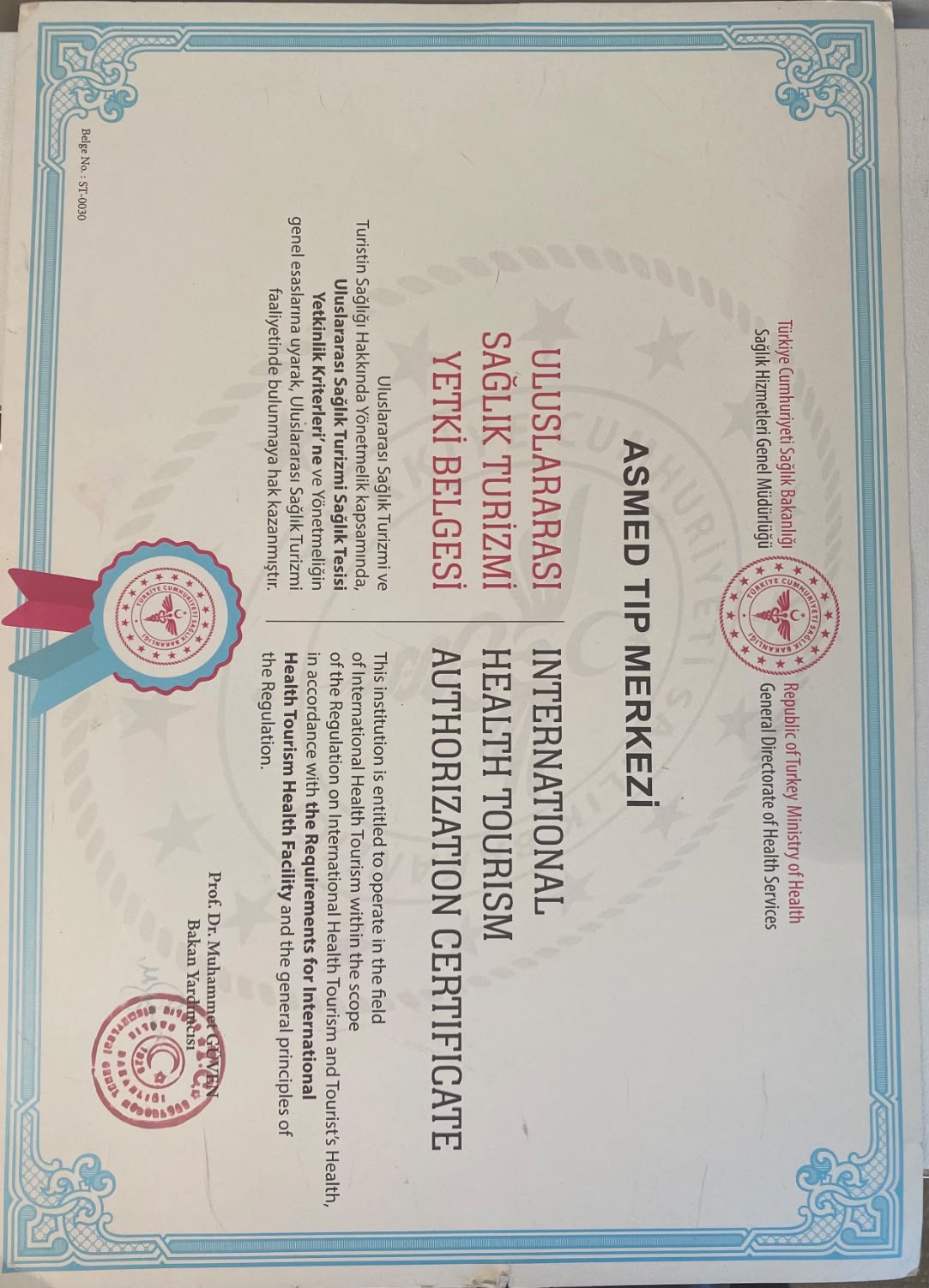
Struttura sanitaria autorizzata per il turismo sanitario internazionale
ASMED Medical Center è una struttura sanitaria autorizzata dal Ministero della Salute della Repubblica di Türkiye a offrire servizi nell'ambito del turismo sanitario internazionale.
Proprietario e gestore: ASMED ÖZEL SAÇ EKİMİ SAĞLIK HİZMETLERİ TİCARET A.Ş.
Certificato di autorizzazione n.: ST-0030

Atatürk Mah. Sedef Caddesi No: 1/1 Ataşehir - İstanbul
Cookie Declaration - Update Date: 27.11.2026 - Editor: Ozer Erik - Tel: +90 216 464 11 11