Top 25 Harmful Ingredients to Avoid in Hair Care Products
Many commercial hair products contain hidden toxins that damage the hair structure. You should know what are the toxic elements, understand their effects, and make healthier choices for your scalp and hair longevity. Identifying the ingredients to avoid for your hair is the first step toward reclaiming your hair’s natural vitality and ensuring your personal safety.
Why Are Some Chemicals Bad For Your Hair?
Some chemicals are bad for your hair since they aggressively strip your hair of its natural sebum, disrupt your endocrine hormone functions, and cause irreversible damage to your hair follicles. The cuticle is responsible for protecting your hair's inner layers, but when it is damaged by chemicals, your hair becomes dry, frizzy, and brittle, leading to hair loss when you are exposed to these chemicals over time.
People prefer hair restoration techniques like the FUE Hair Transplant to restore their hairline when chemicals cause permanent hair loss, and topical treatments do not work.
The damage caused by these chemicals generally shows in three critical ways:
- Hormonal Disruption: Some chemicals, like parabens, mimic the effects of estrogen, disrupting your endocrine system.
- Severe Scalp Irritation: Chemicals containing strong detergents cause hair loss through scalp irritation, resulting in redness, itchiness, and allergic dermatitis.
- Follicle Toxicity: Some chemicals contain carcinogens that cause hair loss through damage to your hair follicles, resulting in brittle hair.
Summary of Harmful Ingredient Groups
Before detailing each specific chemical, here is a quick overview of the primary groups of shampoo ingredients to avoid:
| Category | Primary Risks | Common Examples |
|---|---|---|
| Surfactants | Strip natural oils, scalp irritation | SLS, SLES, ALS |
| Preservatives | Endocrine disruption, carcinogens | Parabens, Formaldehyde |
| Moisture Blockers | Heavy build-up, blocks hydration | Silicones, Mineral Oil |
| Colorants | Severe allergies, toxicity | PPD, Coal Tar |
| Solvents/Alcohols | Extreme dryness, protein stripping | Isopropyl Alcohol, Benzene |
| Endocrine Disruptors | Hormonal interference, hair loss | Phthalates, Selenium Sulfide |
Top 25 Ingredients to Avoid in Hair Care Products
Learning the harmful chemicals to avoid for hair health is crucial for anyone looking to preserve their hair's structural integrity. Here is the all the harmful ingredients to aware of:
1. Sodium Lauryl Sulfate (SLS)
SLS is an aggressive detergent that strips moisture and irritates the scalp. It is often responsible for dissolving the protective sebum layer.
2. Sodium Laureth Sulfate (SLES)
Similar to SLS, this surfactant provides a satisfying but deceptive lather while potentially causing long-term dryness.
3. Ammonium Lauryl Sulfate (ALS)
Another harsh surfactant that can lead to protein stripping and irritation, making it one of the key shampoo ingredients to avoid.
4. Parabens (Methyl, Propyl, etc.)
Parabens mimic estrogen and can interfere with the endocrine system. They have been detected in human tissue, raising serious safety concerns.
5. Formaldehyde
Formaldehyde is a known carcinogen that can irritate the respiratory system and cause significant skin sensitivity reactions.
6. DMDM Hydantoin
This is a formaldehyde-releasing agent used as a preservative, which can damage cellular structures.
7. Methylisothiazolinone (MIT)
A toxic preservative that can cause severe scalp irritation and allergic contact dermatitis.
8. Triclosan
Recognized as a hormone disruptor, Triclosan can interfere with systemic health.
9. Dimethicone (Silicones)
Silicones coat the hair shaft, providing temporary shine but blocking real moisture from penetrating the hair.
10. Cyclomethicone
Like dimethicone, this silicone creates a barrier that prevents hydrating treatments from reaching the inner cortex.
11. Mineral Oil
A moisture blocker that creates build-up and can weigh down the hair, leading to a lack of natural vitality.
12. Polyethylene Glycols (PEG)
PEGs are often used as thickeners but can be contaminated with carcinogenic byproducts like 1,4-dioxane.
13. Sodium Chloride
Often used as a thickener, this salt can strip moisture and cause the hair to feel dry and brittle.
14. Para-phenylenediamine (PPD)
A chemical found in dyes that is known as a severe allergen and potential carcinogen.
15. Coal Tar
Used in darker hair colorants, coal tar is linked to increased cancer risks and neurological concerns.
16. Resorcinol
A toxic colorant and oxidizing agent that can cause scalp irritation and systemic health issues.
17. Isopropyl Alcohol
A drying alcohol that strips the hair of its natural oils, leaving it porous and prone to breakage.
18. Benzene
A highly toxic solvent associated with significant systemic health risks.
20. Toluene
Found in some solvents and colorants, toluene is an ingredient to avoid for your hair and overall health.
21. Phthalates
Phthalates disrupt hormones and reproductive systems; they are often hidden within "fragrance".
22. Artificial Fragrance (Parfum)
The term "fragrance" can hide thousands of undisclosed chemicals that trigger follicular inflammation and itching.
23. Diethanolamine (DEA)
An emulsifier that can form carcinogenic compounds and cause severe scalp dryness.
24. Selenium Sulfide
While used as an active ingredient, high doses can ironically cause permanent hair loss.
25. Retinyl Palmitate
This active ingredient increases UV sensitivity, potentially leading to scalp damage under sun exposure.
How to Choose Safe Alternatives for Your Hair Care Routine?
About 74% of consumers now check labels for ingredients to avoid for your hair. Transitioning to a clean routine requires reading the INCI list carefully.
- Check the First Five Ingredients: These make up the majority of the formula. Avoid products where sulfates or drying alcohols are at the top.
- Look for Gentle Surfactants: Swap harsh detergents for plant-based cleansers like decyl glucoside.
- Opt for Natural Hydration: Choose products with seed oils (jojoba, argan) instead of mineral oil and silicones.
- Verify with Certifications: Look for EWG Verified or USDA Organic seals to bypass misleading "natural" marketing.
Who Is Suitable For a Hair Transplant After Chemical Hair Loss?
People whose hair follicles have been permanently damaged by long-term exposure to harsh chemicals or extreme heat may be good candidates for medical hair restoration — particularly when thinning has become irreversible and natural shampoos no longer make a difference. For those exploring high-quality solutions, traveling for a Hair Transplant Turkey is a globally recognized standard. Patients should consult with hair transplant professionals to assess the overall Hair Transplant Cost before making a decision.
Conclusion
Protecting your hair health starts with knowing what's in your products. You should get into the habit of reading labels and steering clear of harmful ingredients such as sulfates, parabens, and silicones.
At ASMED the hair restoration journey is built on a foundation of hair health and medical excellence. By utilizing the advanced KE-Bot and K.E.E.P. systems developed by Dr. Koray Erdoğan, ASMED focuses on preserving the scalp's integrity while providing a scientific analysis of hair density and quality. This meticulous attention to detail ensures that even for those who have suffered from chemical damage, the path to recovery is guided by innovation, patient safety, and results that prioritize long-term hair vitality.
Consulta gratis!
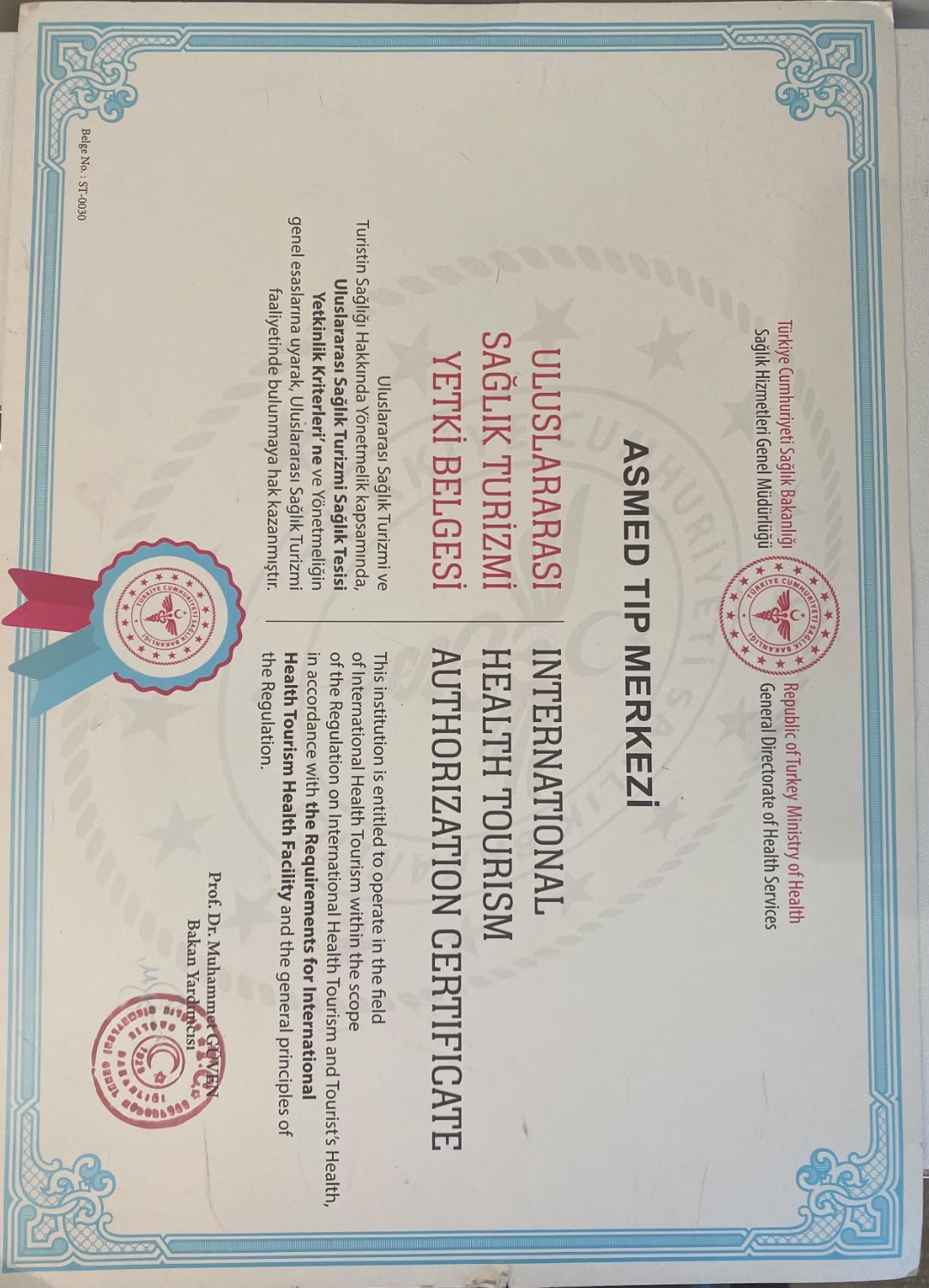
Centro sanitario autorizado para el turismo de salud internacional
ASMED Medical Center es un centro sanitario autorizado por el Ministerio de Sanidad de la República de Türkiye para prestar servicios en el ámbito del turismo de salud internacional.
Propietario y operador: ASMED ÖZEL SAÇ EKİMİ SAĞLIK HİZMETLERİ A.Ş.
N.º de certificado de autorización: ST-0030

Atatürk Mah. Sedef Caddesi No: 1/1 Ataşehir - İstanbul
Cookie Declaration - Update Date: 12.10.2026 - Editor: Ozer Erik - Tel: +90 216 464 11 11