
Is Hair Transplant Permanent
A hair transplant can provide permanent hair growth by moving suitable donor follicles into areas of thinning or baldness. These follicles can continue producing hair in their new location, while hair elsewhere on the scalp may continue to thin.
Modern hair transplantation has moved beyond the noticeable hair plugs of earlier decades. Small grafts and careful hairline design create a natural appearance, while the choice of donor hair helps determine how durable that result will be.
Why Can Transplanted Hair Keep Growing?
In pattern hair loss, follicles in a suitable scalp donor area are generally more resistant to the processes that cause affected hair to become progressively finer. They tend to retain this characteristic when transplanted. The ISHRS explanation of donor selection describes why examination of the scalp and hair-loss history matters when identifying that area.
The donor area is not identical in every patient. Hair at the back or sides of the head should not automatically be assumed to be suitable simply because of its location. Existing thinning and the possible future pattern of loss must also be considered.
At ASMED, Dr. Koray Erdoğan plans the hairline and coverage together with the donor regions. The amount and distribution of extraction are considered alongside the appearance of the hair remaining and the reserve that may be needed later. Manual FUE collects grafts individually from the assessed donor area. Dr. Erdoğan personally creates the recipient sites, setting their angle and direction to support a natural-looking result.
Why Does Hair Loss Occur After a Hair Transplant?
Early shedding and long-term thinning are different issues. In the first weeks after surgery, transplanted hair shafts can shed while the follicles remain beneath the skin. That early appearance alone is not a reason to conclude that a transplant has failed or to arrange another operation.
Over the longer term, the surrounding, non-transplanted hair may continue to thin. The result can therefore look less full even when transplanted hair is still growing. Donor hair that was already susceptible to thinning may also weaken over time; transplantation does not make every follicle immune to hair loss.
A doctor assesses the cause of a change and determines whether monitoring, medical treatment or further surgery is appropriate. Hair-loss medication may help preserve existing hair in suitable patients, but the treatment and its risks need individual consideration.
When Is the Result Ready to Assess?
Skin healing and the development of the final appearance are separate stages. The American Academy of Dermatology notes that many patients see visible results at six to nine months, while some need twelve months. The final appearance is generally assessed over 12–18 months, with individual variation. ASMED’s patient coordinators support patients during a 12–15-month follow-up period, with clinical concerns referred to doctors. This follow-up period is not a deadline for the final result. Follow the clinic’s postoperative instructions and review progress at the recommended intervals.
Further surgery may be considered for a planned additional area, extra coverage or later hair loss. It should follow an assessment of the existing result and remaining donor capacity. Our guide to how long hair transplants last explains the practical questions to consider over the years.
Contact ASMED in Istanbul to discuss your hair restoration journey. Together, we can consider your goals, donor hair and the options appropriate to your pattern of loss. Complete the online consultation form to begin an individual assessment.
Consulta gratis!
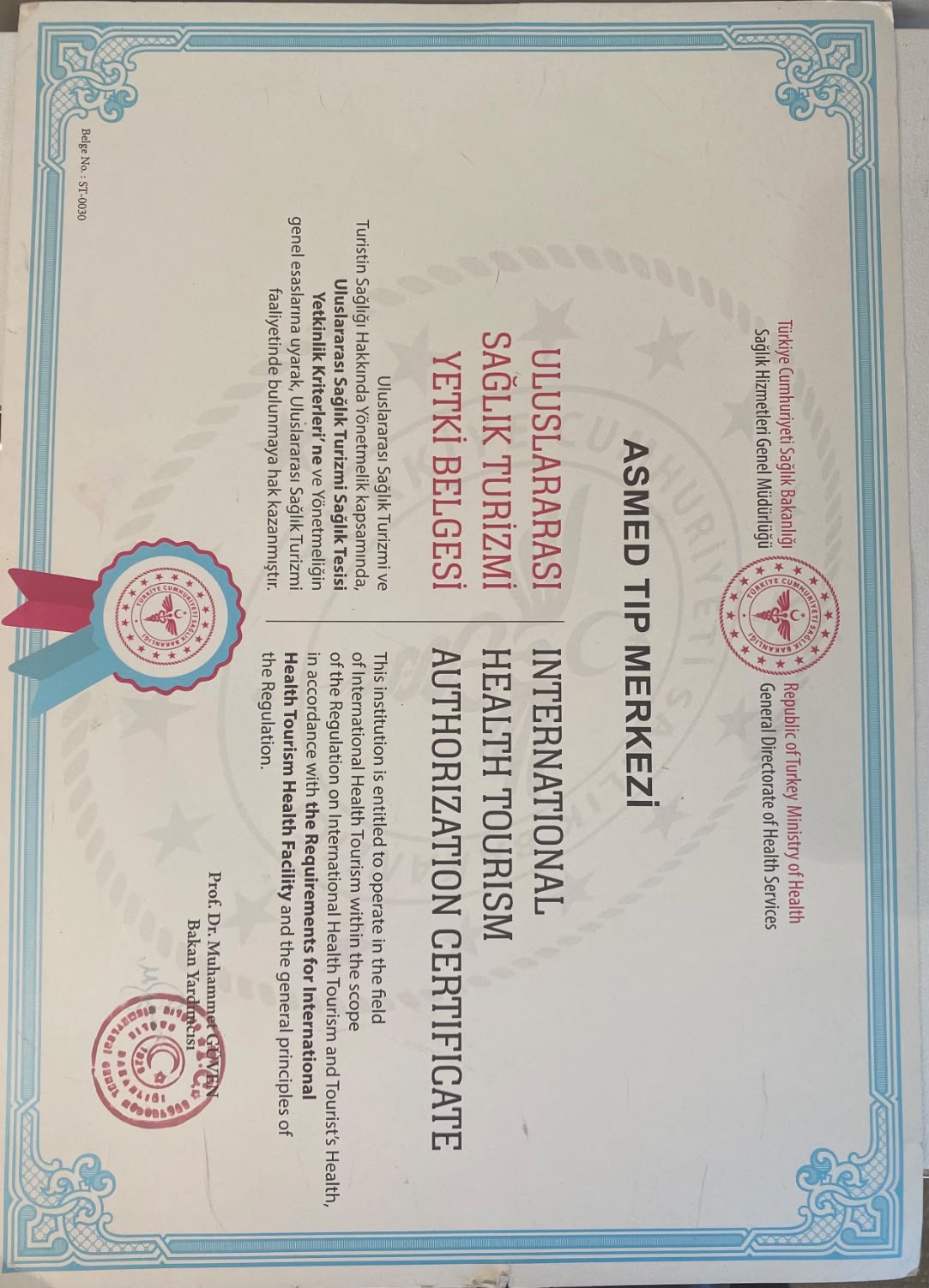
Centro sanitario autorizado para el turismo de salud internacional
ASMED Medical Center es un centro sanitario autorizado por el Ministerio de Sanidad de la República de Türkiye para prestar servicios en el ámbito del turismo de salud internacional.
Propietario y operador: ASMED ÖZEL SAÇ EKİMİ SAĞLIK HİZMETLERİ TİCARET A.Ş.
N.º de certificado de autorización: ST-0030

Atatürk Mah. Sedef Caddesi No: 1/1 Ataşehir - İstanbul
Cookie Declaration - Update Date: 11.11.2026 - Editor: Ozer Erik - Tel: +90 216 464 11 11