
FUE Donor Area After 1 Month
One month after FUE, the initial donor-area crusts would usually have cleared and the skin should be progressing through healing. The surrounding hair may already cover some extraction marks, although redness, sensitivity or uneven-looking density can take longer to settle.
This is an early review point rather than a deadline for every patient to look the same. If the donor area is becoming more painful, inflamed or swollen, contact the clinic instead of waiting for the next stage of a general recovery timeline.
What Should the Donor Area Look Like After One Month?
FUE leaves small extraction sites across the donor area. Once these heal, the remaining hair helps cover them as it grows. Very short hair, strong lighting and differences in hair thickness can make the sites more noticeable.
The removed follicles do not grow back in the donor area. A fuller appearance comes from the hair left behind and, where temporary shedding has occurred, its subsequent recovery. One-month photographs cannot on their own establish how the area will look with longer hair or explain every patch of thinning.
What Is Donor Shock Loss?
Shock loss describes shedding of existing hair after surgery. It is usually temporary and can affect hair remaining in the donor area as well as hair around the transplant. Regrowth may take months, although some weakened hairs in the recipient area may not recover. Follow any changes with the clinic.
This is different from the transplanted hair shafts shedding in the recipient area before new growth develops. Neither event means that the follicles removed from the donor area are being replaced. A patchy donor area should be assessed rather than automatically labelled as shock loss.
What Should You Check at the One-Month Review?
Compare the area with your earlier photographs and describe any change in redness, sensitivity or density. Use similar lighting, angles and hair length where possible so that the clinic can make a useful comparison.
Tell the team about persistent crusts, new or worsening pain, discharge or an area that is becoming more inflamed. Spreading redness, warmth, pus or fever need prompt medical advice. These symptoms should not be left for several months in the expectation that they will disappear.
Care of the Donor Area
Continue the care plan provided for your procedure. ASMED’s postoperative instructions cover washing, hair products, sun exposure and activities. The donor area and the implanted grafts have different care needs, so use the technique shown for each area.
Washing supports care of the scalp. Avoid adding massage, moisturizers or other treatments simply to speed up recovery; check that they fit your current instructions.
What Changes by Six Months?
The remaining hair has had more time to grow, and temporary postoperative shedding may have improved. How the donor area looks at this stage depends on healing, hair growth, the distribution of extraction and hairstyle. Persistent patchiness, redness or discomfort should be reviewed rather than treated as an automatic part of recovery.
The donor area's appearance and the growth of the transplanted hair are assessed separately. Read our donor area recovery guide for the earlier stages and the distinction between skin healing and hair regrowth.
ASMED’s experienced medical staff supports you through the recovery process. Patient coordinators follow progress for 12–15 months, with clinical concerns referred to doctors. Contact ASMED with your photographs and questions so that the next step reflects your own recovery.
Holen Sie sich eine kostenlose Beratung!
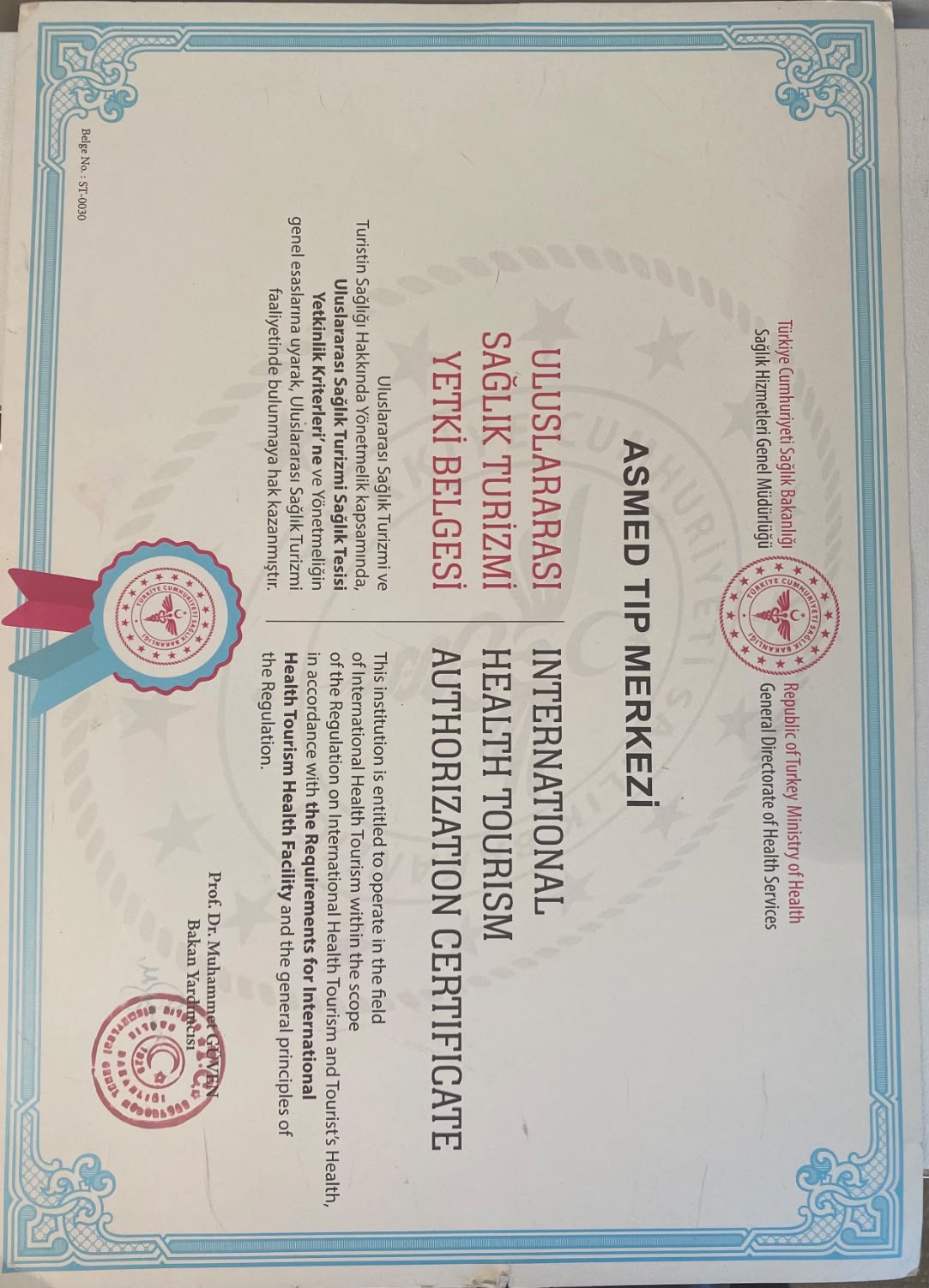
Für den internationalen Gesundheitstourismus zugelassene Gesundheitseinrichtung
Das ASMED Medical Center ist eine vom Gesundheitsministerium der Republik Türkiye zugelassene Gesundheitseinrichtung für Dienstleistungen im Bereich des internationalen Gesundheitstourismus.
Eigentümer und Betreiber: ASMED ÖZEL SAÇ EKİMİ SAĞLIK HİZMETLERİ TİCARET A.Ş.
Zulassungsurkunde Nr.: ST-0030

Atatürk Mah. Sedef Caddesi No: 1/1 Ataşehir - İstanbul
Cookie Declaration - Update Date: 11.11.2026 - Editor: Ozer Erik - Tel: +90 216 464 11 11