
Insulin Resistance and Hair Loss: How to Treat?
Recent clinical data in 2026 suggests that insulin resistance and hair loss are deeply interconnected, with the root cause of thinning hair often lying within your metabolic health rather than just on your scalp. We will cover below;
- the biological causes of metabolic thinning,
- the early warning signs to look for,
- the distinct differences in how this affects men and women, and the
- most effective treatment methods to restore your follicular health.
By understanding how high insulin levels trigger a hormonal cascade that starves hair follicles of nutrients and oxygen, you can take the first step toward reclaiming your hair density.
Why Does Insulin Resistance Cause Hair Loss?
Yes, insulin resistance cause hair loss because it triggers severe hormonal imbalances and reduces vital blood flow to the scalp. When your body’s cells stop responding appropriately to insulin, the pancreas compensates by pumping out even more of the hormone. This leads to a state of hyperinsulinemia. This excess insulin stimulates the ovaries and adrenal glands to overproduce androgens, specifically testosterone.
Early Signs of Insulin Resistance and Hair Thinning
The earliest signs include reduced volume at the front of the scalp and excessive daily shedding that often persists despite using topical treatments. Because hair follicles are highly sensitive to metabolic shifts, insulin resistance and hair thinning often act as the body's first warning sign of internal dysfunction, sometimes appearing years before a formal pre-diabetes diagnosis.
- Visible thinning at the temples and a noticeable delay in the regrowth of new strands.
- Scalp changes such as excess oiliness (seborrhea), persistent flaking, or localized inflammation.
- Changes in hair texture, strands may start to feel thinner and more fragile, take on a wispy or baby-fine quality, and gradually lose both their natural color and strength.
- Systemic markers like the presence of skin tags, darkened velvety skin patches (acanthosis nigricans), and increased weight gain around the midsection.
Differences Between Insulin Resistance Hair Loss in Women and Men
While both genders experience thinning due to metabolic dysfunction, the specific hormonal pathways and physical patterns of loss differ significantly. In both cases, the underlying "metabolic syndrome" accelerates hair aging, but the manifestation is gender-specific.
- Insulin resistance hair loss in women: This is most frequently linked to Polycystic Ovary Syndrome (PCOS). High insulin levels signal the ovaries to produce "male-range" levels of testosterone. This results in female-pattern hair loss (FPHL), characterized by thinning at the crown and a widening of the mid-line part, often accompanied by unwanted hair growth on the face or body.
- Insulin resistance hair loss in men: High insulin levels accelerate the genetic predisposition to androgenetic alopecia. It increases the scalp's sensitivity to DHT, leading to more rapid follicle miniaturization, a receding hairline, and thinning at the vertex.
Is Insulin Resistance Hair Loss Reversible?
Yes, insulin resistance hair loss reversible in most early to moderate cases if the underlying metabolic issue is corrected promptly. When you improve your insulin sensitivity through lifestyle and dietary changes, you lower systemic inflammation and allow Sex Hormone-Binding Globulin (SHBG) levels to rise. This protein "mops up" excess free testosterone, effectively reducing the production of DHT and allowing follicles to exit the dormant phase and enter the growth phase again.
Warning: While many cases see improvement, it is important to note that long-term, uncontrolled insulin spikes and chronic inflammation can eventually cause permanent follicular death and scarring. Once a follicle has completely miniaturized and scarred over, natural regrowth is no longer possible.
If the thinning has progressed to a point where the scalp is clearly visible and natural interventions no longer yield results, patients naturally begin researching surgical options, starting by evaluating the Hair Transplant Cost to plan their budget for permanent restoration.
How to Treat Insulin Resistance Hair Loss?
An effective insulin resistance hair loss treatment requires fixing the metabolic root cause at a systemic level, rather than just applying topical scalp products that fail to address the internal hormonal leak. To successfully halt and reverse thinning, follow these structured steps:
- Adopt a Low-Glycemic Diet: Focus on consuming grass-fed protein, healthy fats (like avocado and olive oil), and low-glycemic carbohydrates. This prevents the sharp blood sugar spikes that trigger androgen production.
- Exercise Regularly:Make strength training or HIIT (High-Intensity Interval Training) a regular part of your routine. Building muscle is one of the best things you can do for your insulin sensitivity, since muscle tissue is where most of your body's glucose actually gets used.
- Take Targeted Supplements: Incorporate natural DHT blockers such as Saw Palmetto alongside insulin regulators like Berine, Inositol, and Magnesium to help the body process glucose more effectively.
- Practice Intermittent Fasting: Try fasting for 14 to 16 hours a day. It can help bring your baseline insulin levels down, ease inflammation throughout the body. Also give your cells the time they need to repair themselves.
Pro Tip: To protect your follicles, never consume sugar or refined carbohydrates on an empty stomach. Always "buffer" your glucose intake with fiber or protein to avoid severe insulin spikes.
Insulin Resistance Hair Loss Treatment Options
A multi-layered approach involving dietary changes, lifestyle modifications, and clinical therapies is essential for long-term success. The following table compares the most effective strategies:
| Treatment Category | Recommended Action | Mechanism for Hair Growth |
|---|---|---|
| Diet | Low-Glycemic & High-Protein Diet | Prevents blood sugar spikes and lowers insulin-driven androgen production. |
| Lifestyle | Strength Training, HIIT, & Intermittent Fasting | Increases muscle insulin efficiency, regulates hormones, and boosts scalp circulation. |
| Clinical | Medical lotions, PRP therapy, or Metformin | Restores follicular function, increases blood flow, or corrects severe metabolic imbalances. |
| Surgical | Hair Transplant (FUE/DHI) | Permanently restores density in areas where follicles have been destroyed by long-term insulin issues. |
Can A Hair Transplant Fix Hair Loss Due To Insulin Resistance?
Hair transplant is recommended to individuals whose metabolic condition is under control and who have suffered irreversible hair follicle damage that cannot be reversed through medication or changes in their diets. If you have been able to keep your blood glucose levels under control and still have bald spots on your scalp, a hair transplant is recommended.
Many patients choose to travel to specialized clinics for a Hair Transplant Turkey to restore their density and hairline. Experts generally recommend an FUE Hair Transplant as the ideal, minimally invasive technique. This process involves extracting healthy, DHT-resistant grafts from the back of the head and strategically placing them into the thinned areas to create a natural, long-lasting appearance.
Conclusion
In summary, the effect of insulin on DHT and the hair follicle is a clear indicator that the state of your hair is a direct reflection of the state of your metabolic system. By controlling insulin resistance, you can stabilize your hormones, reduce inflammation, and prevent the miniaturization of the follicle. Focusing on metabolic health is your first defense, but if you require advanced restoration for permanent loss, consulting with expert hair transplant specialists at ASMED can help you regain your confidence and density.
Получите бесплатную консультацию!
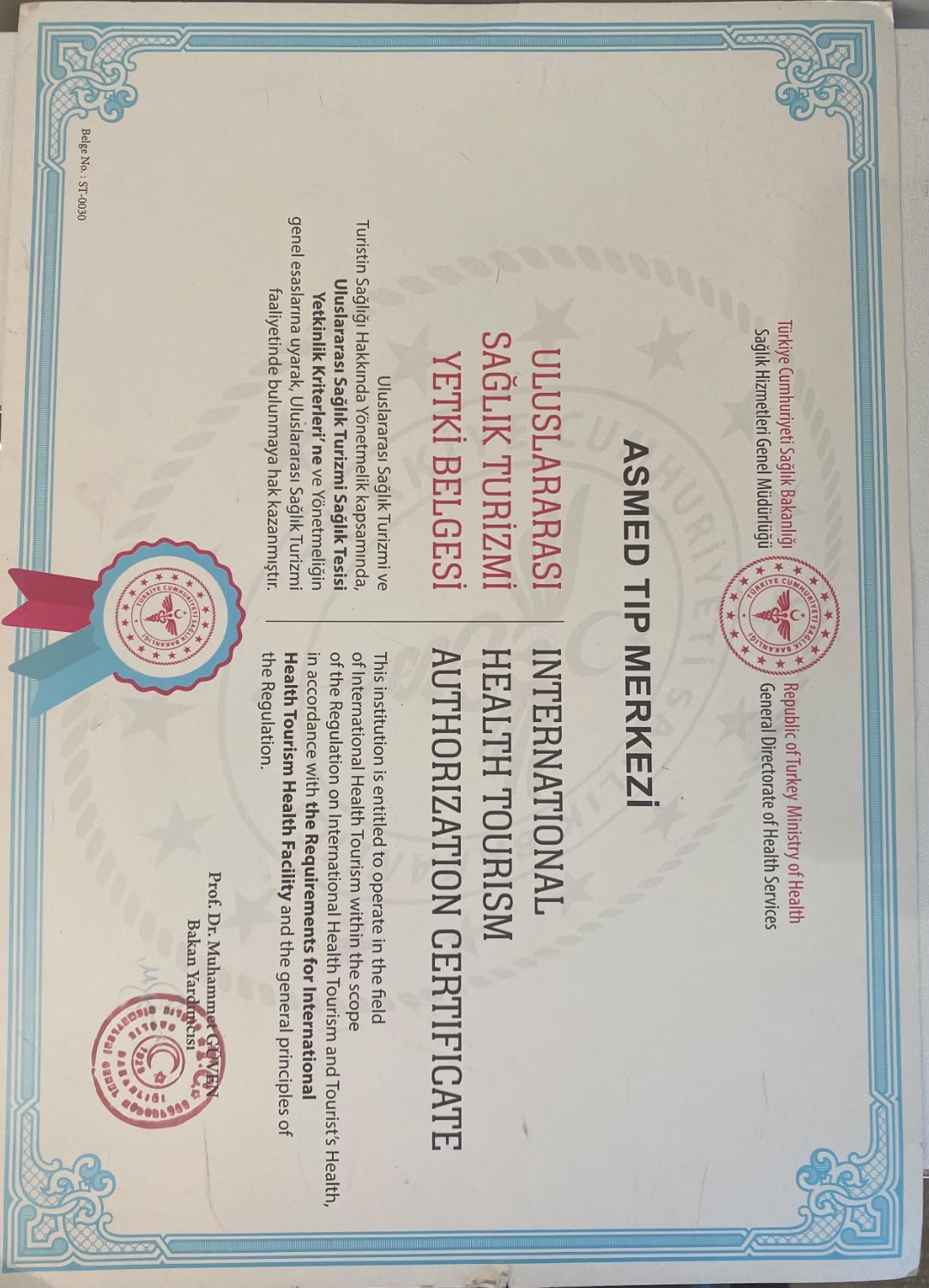
Медицинское учреждение, аккредитованное в сфере международного медицинского туризма
ASMED Medical Center — медицинское учреждение, уполномоченное Министерством здравоохранения Турецкой Республики оказывать услуги в сфере международного медицинского туризма.
Владелец и оператор: ASMED ÖZEL SAÇ EKİMİ SAĞLIK HİZMETLERİ A.Ş.
Свидетельство об аккредитации №: ST-0030

Atatürk Mah. Sedef Caddesi No: 1/1 Ataşehir - İstanbul
Cookie Declaration - Update Date: 09.09.2026 - Editor: Ozer Erik - Tel: +90 216 464 11 11