
What is the Shaft of the Hair? Layers and Functions
Different layers and forms make up hair. The tough protein keratin is what gives your hair, nails, and skin's outer layer their strength. The big molecule keratin is composed of chains of amino acids, which are smaller building blocks. Knowledge on hair structure is used while figuring out the hair loss patterns, which are crucial when it comes to treating the hair loss. The hair shaft is the visible part of every hair strand you see above the skin. Understanding its structure, including the 3 layers of the hair shaft and how each one works, is essential for anyone dealing with hair loss, hair health, or considering a hair transplant. This article covers the hair shaft meaning, its anatomy, what it is made of, what damages it, and why it plays a direct role in hair transplant outcomes.
What Is The Shaft Of The Hair?
The hair shaft is the portion of the hair that is visible above the skin. It is the non-living, keratinized part of the hair that extends outward from the follicle. Small amounts of water and binding material, as well as dead cells that have converted into keratin, make up the hair shaft.
While the hair shaft itself is not alive, it is produced by living cells inside the hair follicle. The hair follicle is the structure beneath the skin where active cell division takes place. As new cells grow in the follicle's bulb, older cells are pushed upward, harden into keratin, and form the hair shaft you see.
The outermost skin layer is called the epidermis. Each hair emerges from the epidermal pit. Hair follicle and hair shaft are the two components of hair. The site at which the hair grows is called the hair follicle. Below are some of the basic characteristics of hair follicles of hair anatomy: The term hair bulb defines the last portion of the hair follicle located in the skin. The formation of hair bulb occurs due to the proliferation of hair cells. Long and cylindrical hair fibers are produced by these hair cells. Certain specific cells in hair bulb produce the pigment for hair color. These cells are called melanocytes and their pigment is called melanin.
These are filled with androgens, which serve as receptors for male hormones. The lower part of the hair follicle is known as the dermal papilla, which feeds on nutrients supplied by the blood stream to manufacture new hair.
What Are The Layers Of The Hair Shaft?
The hair shaft does not have an unchanging composition. There are 3 different layers of hair shaft that make up the hair shaft, each serving its own purpose. The parts of the hair shaft in order of the outside-in are the cuticle, the cortex, and the medulla. These form the hair shaft and all its qualities.
Hair follicles in the skin have an inner and outer root sheath for protection. In addition to the epidermis, the outer roots of the hair follicle are continually going through a growth process. Glands are located near the hair follicles. The sebaceous gland is the major gland that releases oils used in lubricating the hair.
Cortex
The cortex is the central and largest layer of the hair shaft. It makes up the bulk of the hair strand's total volume and is primarily responsible for the hair shaft's mechanical properties. The cortex contains long keratin protein chains arranged in a helical structure, which gives hair its tensile strength, elasticity, and ability to flex without breaking.
Beyond strength, the cortex is also where melanin pigment granules are stored. These granules determine hair color, more melanin produces darker hair, while reduced or absent melanin results in grey or white hair. The cortex is also the layer most affected by chemical treatments such as bleaching, coloring, and perming, which work by penetrating past the cuticle to alter the proteins and pigments inside.
Medulla
The medulla is the innermost layer of the hair shaft and the softest of the three. It is only clearly present in thick, coarse, or terminal hair strands; fine or vellus hairs often have no medulla at all. In some individuals, the medulla may be partially present or entirely absent without any noticeable effect on overall hair function.
The exact role of the medulla is not fully understood, but it is thought to contribute to the overall flexibility and light-reflecting properties of the hair strand. Its presence or absence also influences how hair looks under certain types of lighting, as the medulla can affect the hair's natural sheen.
Cuticle
The cuticle is the outer covering of the hair shaft, which is transparent and scalelike in nature. This layer covers the entire length of the cortex, just like roof tiles do in an upward manner. The cells of the cuticle are flattened and overlap each other in the direction of the root to tip of the hair shaft. If the cuticle is intact and lying flat on the surface, the hair becomes shiny and soft.
The cuticle's primary hair shaft function is protection. It acts as a physical barrier that guards the cortex from environmental damage, moisture loss, and mechanical friction. Many hair care products, such as conditioners and serums, work by smoothing or sealing the cuticle layer to restore the appearance and feel of the hair strand.
Why Is The Hair Shaft Important?
The hair shaft function goes beyond aesthetics. While it is the visible part of hair, its structural integrity directly reflects the health of the follicle that produced it. A healthy hair shaft signals adequate nutrition, hormonal balance, and an active growth cycle.
From a practical standpoint, the hair shaft's strength determines how well hair withstands daily styling, brushing, and environmental exposure. Its pigment determines color. Its diameter and texture influence the visual density of hair coverage, a thicker shaft diameter naturally creates greater perceived fullness on the scalp, which is particularly relevant when assessing candidates for a hair transplant.
The hair shaft also carries indirect diagnostic value. Changes in shaft diameter, texture, or color can be early indicators of nutritional deficiencies, hormonal shifts (such as those caused by androgens), or the onset of hair loss conditions.
What Damages The Hair Shaft?
Although the hair fiber is made up of strong keratin, it is susceptible to many forms of damage. Since the hair fiber itself is non-living, any damage that occurs cannot be repaired as would occur in live tissue. Common causes of hair shaft damage include:
- Heat styling: Repeated use of blow dryers, flat irons, and curling tools at high temperatures degrades the keratin bonds in the cortex and lifts the cuticle scales.
- Chemical treatments: Bleaching, dyeing, relaxing, and perming penetrate the cuticle and alter the internal structure of the cortex, weakening the strand.
- Mechanical stress: Aggressive brushing, tight hairstyles (such as braids or ponytails worn consistently), and rough towel-drying create friction and breakage at the cuticle level.
- UV exposure: Prolonged sun exposure degrades melanin in the cortex and weakens the protein structure of the shaft.
- Nutritional deficiencies: Low levels of protein, iron, zinc, and vitamins (particularly biotin and vitamin D) reduce the quality of newly produced keratin, resulting in thinner, more brittle shafts.
- Hard water and harsh shampoos: Mineral deposits and sulfate-heavy products strip natural oils from the cuticle, leaving it dry and porous.
Key Factors Of Hair Shaft Health
Several factors directly influence the structural quality and appearance of the hair shaft over time. Keeping these in check supports both the look and the longevity of each hair strand.
- Diet and protein intake: Since the shaft is approximately 88% keratin protein, adequate dietary protein is foundational. Aim for a balanced diet rich in lean proteins, eggs, leafy greens, and iron-containing foods.
- Scalp health: A healthy scalp environment, free from excess sebum buildup, inflammation, or infection, ensures that the follicle can produce well-formed shaft structures.
- Gentle handling: Use a wide-toothed comb, avoid tight styles, and pat (rather than rub) hair dry to minimize cuticle damage.
- Hydration: Well-moisturized hair, supported by conditioners that seal the cuticle, maintains flexibility and reduces breakage.
- Heat protection: Always use a heat-protectant product before styling with heat tools, and keep temperatures below 180°C where possible.
- Regular trims: While trimming does not affect follicle activity, removing split ends prevents further shaft splitting from traveling up the strand.
The Role Of The Hair Shaft In Hair Transplant Success
In the context of FUE hair transplant, the hair shaft plays a more significant role than many patients realize. The quality, diameter, and curvature of the shaft are key variables that surgeons consider when planning a procedure and evaluating expected outcomes.
During an FUE procedure, grafts are extracted as complete follicular units. The shaft's angle, curl, and thickness directly influence how grafts are harvested and implanted, and how natural the final result looks. A thicker shaft diameter generally means better visual coverage per graft implanted, as each strand occupies more visual space on the scalp.
Shaft characteristics also affect the Coverage Value, a metric used at ASMED to assess how much scalp area a given number of grafts can realistically cover. Patients with coarser, thicker shaft diameters may achieve strong coverage with fewer grafts, while those with finer shafts may need a higher graft count to reach the same visual density.
Additionally, during the early post-transplant period, transplanted hairs shed their shafts before new ones regrow, a normal part of the recovery process. Understanding the anatomy of the hair strand helps patients interpret this temporary shedding without alarm. For a detailed breakdown of what to expect after surgery, the FUE hair transplant recovery timeline is a useful reference.
While dealing with hair loss of any kind, knowledge about hair structure is of great importance. This is why you need to ask for help from a professional doctor who has expertise on the subject. The doctors at ASMED are known as successful and experienced. They will make sure to help you recognize the reasons for your hair loss and guide you toward the most appropriate treatment path.
FAQs About Hair Shaft
Can the hair shaft repair itself?
No, the hair shaft cannot repair itself. Because the shaft is composed entirely of dead, keratinized cells, it has no biological mechanism for self-repair. Once the cuticle is damaged, the cortex is weakened, or the shaft is split or broken, that section of the strand will remain damaged until it is physically cut off and replaced by new growth from the follicle. This is why consistent preventive care, gentle handling, heat protection, and good nutrition, is more effective than attempting to reverse existing damage.
How does aging affect the hair shaft?
The process of aging leads to various modifications within the hair shaft. Melanocytes within the follicles become less capable of creating melanin, which results in hair becoming first gray and then completely white. Keratin is also produced at a slower pace, causing the cortex to lose density, making hair become finer and more fragile. Additionally, sebum production by sebaceous glands is decreased, making the hair shaft lose its natural hydration and conditioning from the cuticle.
Is the hair shaft alive or dead?
The hair shaft is a nonliving structure since it is made up of fully keratinized cells which lack the nucleus and have no metabolism. The living part of the hair shaft is the follicle, more specifically the bulb and papilla of the follicle where the cells divide. This is very important to understand especially in relation to conditioning/protecting the hair shaft externally using topical products.
The Root of the Hair
The top layer of skin is called the epidermis, as may be seen in the diagram below. Each hair grows from an epidermal depression. The hair follicle and the hair shaft are the two components that make up hair.
Hair Follicles
The place where hair grows is called a hair follicle. Here are the basic facts about the hair follicle within hair structure:
- The hair bulb refers to the last portion of the hair follicle within the skin.
- The structure created by cells that are actively growing is the hair bulb.
- The long, fine, and cylindrically formed hair fibers are produced by these cells.
- Special cells within the hair bulb create the pigment that gives hair its color.
- Melanocytes are the cells that produce the pigment, which is known as melanin.
- The cells of this structure contain androgens, which are receptors for male hormones.
- At the base of the hair bulb is the dermal papilla, which receives nutrition from the bloodstream to help produce new hair.
- The hair follicles in the skin are protected by internal and external root sheaths.
- Along with the epidermis, a hair follicle's outer roots go through a continual growth cycle.
- There are glands just next to the hair follicles: the sebaceous gland, which produces and secretes the natural oils that lubricate the hair, is the most significant of these glands.
Hair Shaft
The hair shaft is the portion of the hair that is visible above the skin. Small amounts of water and binding material, as well as dead cells that have converted into keratin, make up the hair shaft.
Three layers make up the hair shaft:
- The bottom level of the hair shaft, known as the medulla, is only visible in very large and thick hairs.
- The cortex, the central layer of the hair shaft, is what gives a hair fiber its strength, color, and texture.
- The hair shaft's thin, colorless cuticle is the outermost layer. The brain benefits from its defense.
While dealing with hair loss of any kind, knowledge about hair structure is of great importance. This is why you need to ask help from a professional doctor who has expertise on the subject.
The doctors at Asmed are known as successful and experienced. They will make sure to help you recognize the reasons for your hair loss and will guide you through your wanted outcomes. For permanent solutions, the Asmed team provides you with successful FUE hair transplant operations. For more information on hair transplants and hair growth after hair transplant, contact the Asmed team now!
Obtenez une consultation gratuite!
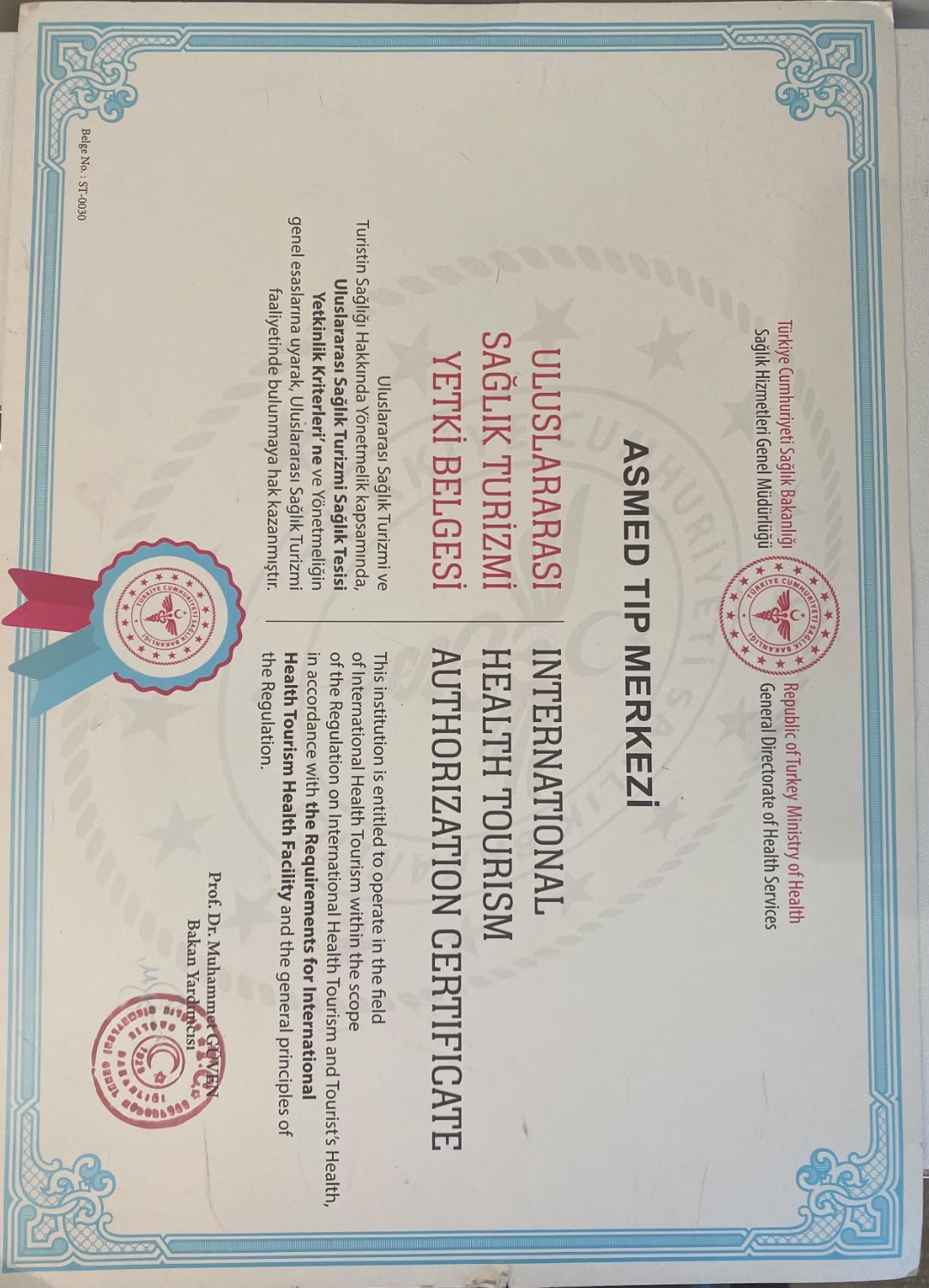
Établissement de santé agréé pour le tourisme médical international
ASMED Medical Center est un établissement de santé agréé par le ministère de la Santé de la République de Türkiye pour proposer des services dans le domaine du tourisme médical international.
Propriétaire et exploitant : ASMED ÖZEL SAÇ EKİMİ SAĞLIK HİZMETLERİ A.Ş.
Certificat d'agrément n° : ST-0030

Atatürk Mah. Sedef Caddesi No: 1/1 Ataşehir - İstanbul
Cookie Declaration - Update Date: 09.09.2026 - Editor: Ozer Erik - Tel: +90 216 464 11 11